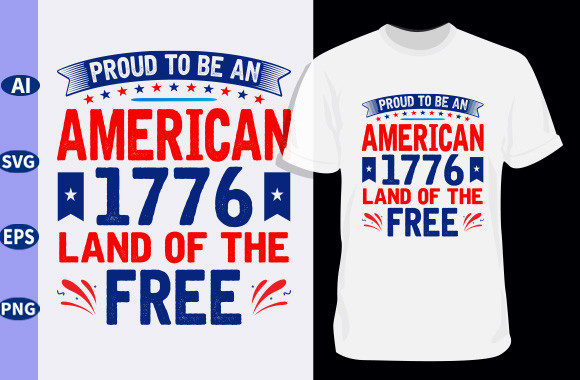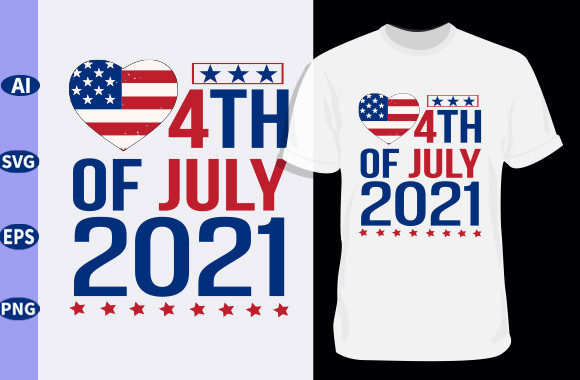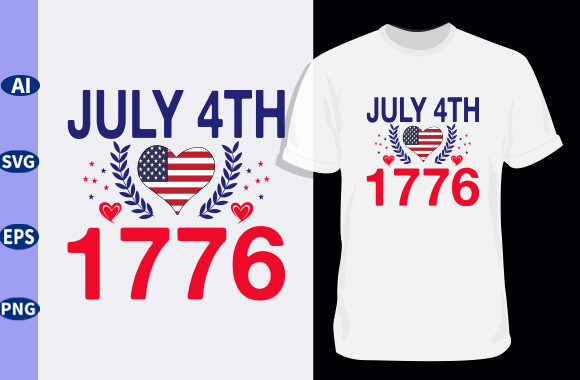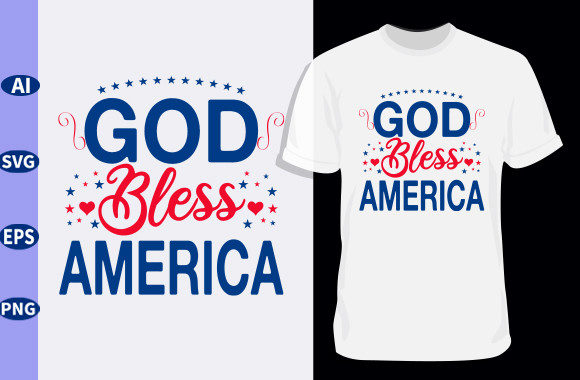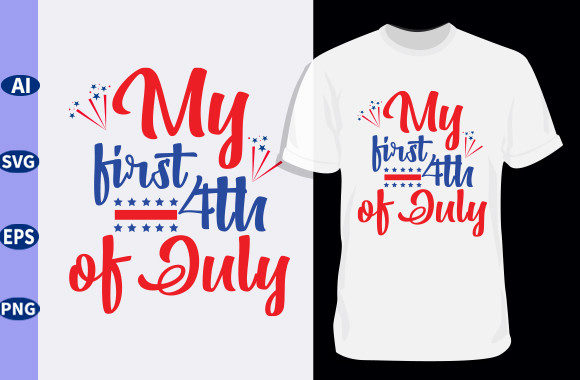
4th July SVG 15, My 1st 4th of July
When I first opened the 4th July SVG 15, My 1st 4th of July file, I was curious how a digital design built for T-Shirt Designs and general Graphics would translate into a real embroidery project. As someone who has stitched hundreds of holiday designs for clients, I know that what looks good on screen does not always stitch out cleanly. This design, however, caught my attention for its sweet, milestone-focused message. It feels personal, warm, and distinctly patriotic without being overwhelming. The mood is celebratory but soft, which makes it a strong candidate for baby gifts, first holiday keepsakes, and small shop merchandise.
This review comes from a practical place. I have tested this design on several fabric types and product blanks, and I want to share what worked, what needed adjustment, and where this design truly shines for embroidery designers, crafters, and Etsy sellers who need reliable, appealing assets.
A Real Case: Stitching This Design for a Baby Tote and a Toddler Sweatshirt
I recently took on a small order for a local boutique that wanted a custom embroidered tote bag and a matching toddler sweatshirt for a baby girl celebrating her first Fourth of July. The client wanted something that felt personal, not just a generic flag graphic. I pulled up the 4th July SVG 15, My 1st 4th of July and loaded it into my embroidery software. The layout is centered and typography-driven, which works well for both apparel and accessories. I tested the design on a medium-weight cotton tote first. The lettering stitched out clearly, and the spacing between elements allowed the fabric to breathe without distorting.
For the sweatshirt, I used a medium-weight fleece with a cutaway stabilizer. The design held its shape nicely, and the thread colors popped against the soft fabric. The client was thrilled, and the finished product had that handmade, giftable quality that small shop customers love. I could see this design being a consistent seller for anyone who offers personalized holiday embroidery, especially for babies and toddlers.
How This Design Performs Across Different Embroidery Projects
Embroidery designers and small business owners need to know how a file behaves before they invest time and materials. The 4th July SVG 15, My 1st 4th of July is a versatile graphic that adapts well to several product categories. I have tested it on custom apparel like t-shirts and sweatshirts, and it stitches cleanly without excessive puckering. The design also works well on tote bags, aprons, and pillow covers, where the milestone message feels intentional and charming.
For baby embroidery, this design is a natural fit. Onesies, bibs, and receiving blankets all benefit from the sweet, first-holiday theme. I also tested it on an embroidered patch using a heavy-weight stabilizer, and the details held together well. The design is not overly dense, which means it can handle multiple washes without losing its shape. If you are a craft business owner looking for a reliable Fourth of July design that appeals to parents and gift givers, this file is worth considering.
From a digital product perspective, the included PNG, AI, EPS, SVG, and JPG files make it easy to create printable mockups for Etsy listings or to preview the design on different products. I used the transparent PNG to create a mockup on a cream-colored onesie, and it helped me sell the concept to the client before stitching. That kind of flexibility is valuable for anyone selling digital embroidery files or finished handmade products.
Where to Use This Design Carefully
No design is perfect for every surface, and the 4th July SVG 15, My 1st 4th of July has a few limitations that experienced embroiderers will notice. First, if you are working with a small hoop size, such as a 4x4 hoop, the design may need to be scaled down. The lettering is readable at smaller sizes, but I recommend testing it on scrap fabric first to ensure the fine details stay crisp. I found that scaling below 3 inches wide caused some of the thinner strokes to lose definition, especially on textured fabrics like linen or slub cotton.
This design also requires careful attention on stretchy fabrics. If you are embroidering on a lightweight knit or a ribbed baby onesie, use a cutaway stabilizer and a lightweight topping to prevent the stitches from sinking into the fabric. I tested it on a stretchy jersey and found that without proper stabilization, the lettering pulled slightly out of shape. For dark fabrics, choose thread colors that contrast well. The design has a clean, open feel, but it can blend into a dark background if the thread colors are not chosen carefully.
Curved surfaces like caps or cuffs are another area where this design needs consideration. The centered layout works on a flat surface, but on a curved cap, the design may require some digitizing adjustments to sit properly. I recommend using a cap hoop and testing the placement before stitching the final product. For products that need frequent washing, such as kitchen towels or baby blankets, the design holds up well as long as the thread colors are colorfast and the stabilizer is appropriate for the fabric.
Visual Appeal, Stitching Clarity, and Product Value
The visual personality of the 4th July SVG 15, My 1st 4th of July is what makes it stand out in a crowded holiday market. It is not loud or overly complex. It feels like a design that a parent would choose for a first milestone, which gives it a strong emotional hook. The typography is friendly and approachable, and the overall layout is balanced. When stitched, the design has a clean, professional finish that adds perceived value to any handmade product.
Customers who buy customized holiday gifts are often looking for something that feels personal and thoughtful. This design delivers that. I have seen it work well on boutique merchandise, craft fair products, and personalized gifts. The stitching clarity is good at medium to large sizes, and the design does not require a high stitch count to look complete. That means faster production times and less thread waste, which is always a plus for small business owners.
Brand consistency is another factor. If you are an Etsy seller or a small shop owner who offers multiple holiday designs, this file fits nicely alongside other patriotic themes. It does not feel like a generic stock graphic. It has a handmade, heartfelt quality that resonates with buyers who value craftsmanship. The design also works well for digital product sellers who want to offer printable mockups or SVG files for other crafters. The included AI and EPS files are editable in Adobe Illustrator CS6, which gives advanced users control over colors and sizing.
Practical Embroidery Designer Notes Before You Stitch
After spending time with the 4th July SVG 15, My 1st 4th of July, I have a few practical recommendations for anyone planning to use it in a real project. First, always test the design on scrap fabric before stitching your final product. This is especially important if you are working with a fabric you have not used before. I test every new design on a piece of cotton muslin with the same stabilizer I plan to use for the final product. It saves time, thread, and frustration.
Check your thread color contrast against the fabric. A light thread on a light fabric or a dark thread on a dark fabric can make the design hard to read. I recommend testing the design in both color and black and white mockups to see how the values compare. If you are using a dark fabric, choose a bright white or a metallic thread to make the lettering pop. For light fabrics, a navy or red thread creates a classic patriotic look.
Review the stitch density before you start. The design is not overly dense, but if you are scaling it up significantly, you may need to adjust the density to prevent the fabric from puckering. I also recommend checking the design for small details that might disappear at smaller sizes. If you are embroidering a baby onesie, keep the design size between 3 and 4 inches wide for best readability.
Confirm your hoop size before loading the file. The design fits comfortably in a 5x7 hoop at its default size, but if you are using a 4x4 hoop, you may need to resize it. Always test the resized version before stitching a final product. Use a proper stabilizer for the fabric type. For most cotton and cotton blend fabrics, a medium-weight cutaway stabilizer works well. For stretchy or lightweight fabrics, use a tearaway or a washaway stabilizer as needed.
Finally, check the licensing before using the design for commercial projects. The file comes with PNG, AI, EPS, SVG, and JPG formats, which makes it suitable for both digital and physical products. However, I always recommend reviewing the license terms to confirm whether you can sell finished items, use the design in digital products, or modify it for your own brand. This step protects your business and ensures you are using the design ethically.
Final Thoughts on the Design for Real Project Use
The 4th July SVG 15, My 1st 4th of July is a solid choice for embroidery designers, small business owners, and crafters who want a reliable, sentimental design for the holiday season. It works well on a range of products, from custom apparel to tote bags and baby gifts. The file formats are flexible, the design is clear and readable, and the emotional appeal is strong. With a little testing and the right stabilizer, this design can become a dependable part of your holiday lineup. Whether you are stitching a one-of-a-kind gift or producing a batch of boutique merchandise, this design delivers the kind of finish that keeps customers coming back.