Dog Animal Background: An Embroidery Designer’s Review
When I first opened Dog Animal Background, I was looking for a design that could work across multiple handmade products—something with enough visual presence to anchor a custom tote bag or a baby onesie, but not so dense that it would fight with textured fabrics. As someone who spends more time testing stitch files than I’d like to admit, I’ve learned that a good graphic doesn’t always translate into a good embroidery project. This review is about how Dog Animal Background performs when you take it from a digital file to a finished, stitched product.
First Impressions: Mood, Shape, and Real-World Fit
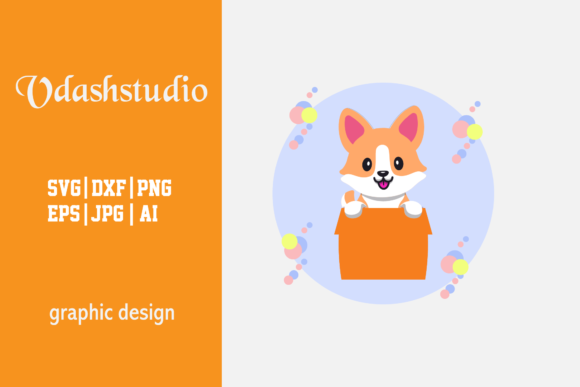
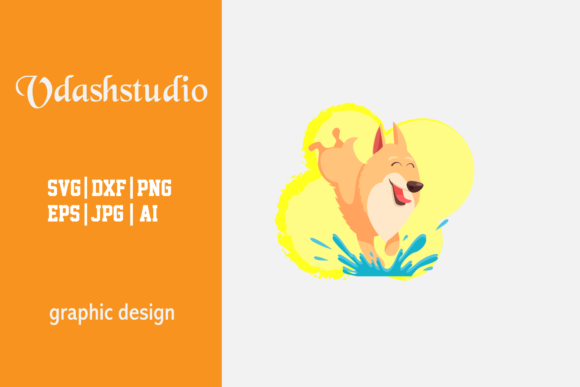
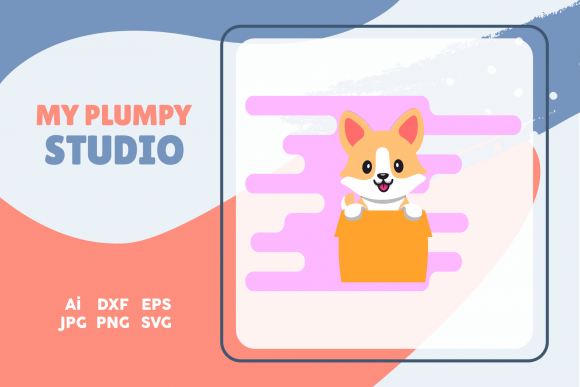
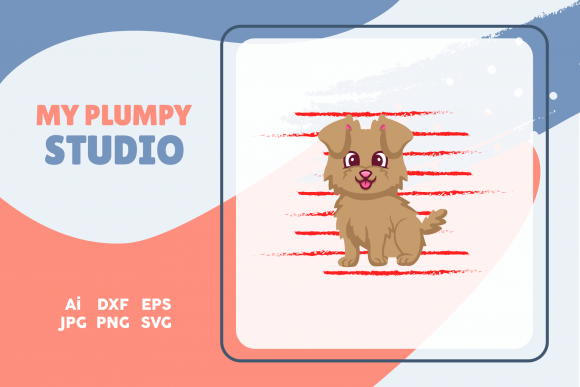
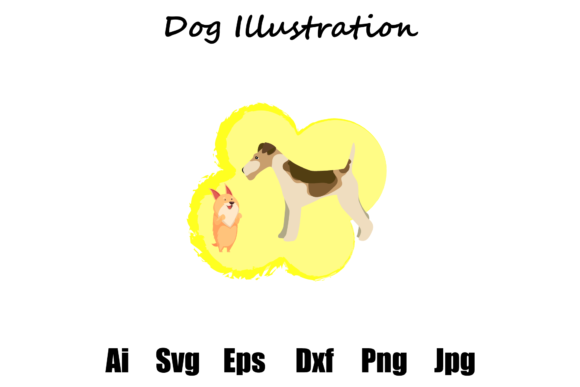
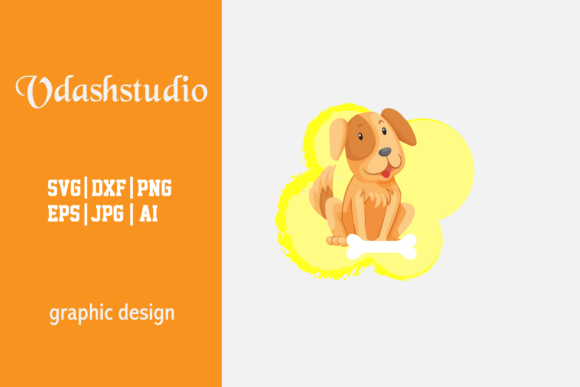
Dog Animal Background has a playful, friendly energy. The subject is clear without being cluttered, and the background element adds a sense of place without overwhelming the dog itself. That balance matters in embroidery, because you’re working with thread thickness, fabric weave, and hoop limits. The layout feels centered and stable, which makes it a natural candidate for apparel fronts, patch designs, and home decor accents. It’s not a hyper-detailed portrait—it reads more like a clean, stylized illustration. That’s a good thing for stitch-outs, because you can keep the design recognizable even at moderate hoop sizes.
Because it’s sold as a graphic (in AI, EPS, SVG, DXF formats on a 1920×1280 pixel canvas), you’ll need to convert it into an actual embroidery file or use it as a reference for digitizing. As a designer, I see this as a versatile starting point. The linework and shapes are distinct enough that a good digitizer can translate them into satin stitches, fill stitches, and running stitches without guesswork.
Real Case Scenario: A Custom Tote Bag for a Pet Boutique
I recently tested Dog Animal Background on a project for a small pet boutique that wanted a reusable tote bag design. The client wanted something that would appeal to dog owners year-round, not just holiday shoppers. I took the SVG file, imported it into my digitizing software, and assigned thread colors based on the dog’s coat and the background tone. The finished tote bag looked crisp on a mid-weight cotton canvas. The fill stitches in the dog’s body laid down smoothly, and the background element added just enough visual interest without making the bag feel busy.
What surprised me was how well the design held up on the bag’s curved side panels. Because the composition is relatively compact, I didn’t have to worry about distortion near the edges. The boutique sold out of those totes in two weeks, and the owner told me customers specifically mentioned the “friendly dog graphic.” That’s the kind of reaction you want from a design that’s being used on a handmade product.
Where Dog Animal Background Shines
After stitching it out on several substrates, I’ve found that Dog Animal Background works best on products where the design can be the focal point without competing with other elements. Here are some applications where it performs well:
- Custom apparel: Sweatshirts, t-shirts, and hoodies. The design’s moderate detail level reads well on cotton and cotton-poly blends. I used a medium-weight cutaway stabilizer and had no puckering.
- Embroidered patches: The clean outlines make it easy to trim around the shape. I created a standalone patch with a merrowed edge and it looked professional.
- Baby and kids’ items: Onesies, bibs, and small blankets. The design isn’t too large, so it fits nicely on a 4x4 hoop. I’d recommend using a soft stabilizer and reducing stitch density slightly for delicate knits.
- Home decor: Pillow covers, tea towels, and nursery decor. On a linen pillow cover, the background gave the piece a storybook feel without being overly cartoonish.
- Personalized gifts: Adding a name or monogram outside the design area works well. The design itself doesn’t have text, so you have flexibility.
- Small shop merchandise: Etsy sellers and craft fair vendors can use Dog Animal Background on multiple product types without exhausting the design’s appeal. It’s not a one-trick pony.
Where You Need to Be Careful
No design is universal, and Dog Animal Background has a few limitations that every embroidery designer should know before committing to a production run.
- Small hoop sizes: If you’re working with a 4x4 hoop, the design will fit, but some of the background detail may become less distinct. I recommend testing it at 75% of the original size to see if the dog’s features still read clearly. For very small products like baby caps, you might want to simplify the background.
- Stretchy fabrics: On performance wear or ribbed knits, the fill stitches can distort if the fabric isn’t stabilized properly. Use a sticky stabilizer and float the fabric to prevent shifting.
- Dark fabrics: The design’s original colors are likely light to medium. On black or navy, you’ll need to adjust thread colors for contrast. A white or light gray dog on a dark background can look striking, but the background element may need a heavier outline to separate from the fabric.
- Curved surfaces like caps: The design’s width may cause it to wrap around the curve of a cap. I’d suggest keeping it under 3 inches wide for a structured cap front. The background might get lost in the curve if you go too large.
- Dense stitch areas: If the digitizer uses too many fill stitches in the background, you could end up with a stiff, heavy patch. I recommend using a combination of satin and running stitches for the background to keep the design soft and flexible.
- Frequent washing: For kitchen towels or aprons that will be washed often, use a high-quality stabilizer and test for shrinkage. The design itself is durable, but the thread colors should be chosen to resist fading.
How Dog Animal Background Affects Product Value and Customer Trust
When customers buy a handmade product, they’re looking for something that feels intentional. Dog Animal Background delivers that because it’s not a generic clip-art dog. The background gives it a sense of context—like a snapshot of a dog in its favorite spot. That small narrative makes the design feel more like art than a commodity. On a boutique sweatshirt or a personalized gift, it elevates the product from “customizable” to “thoughtfully designed.”
For Etsy sellers and small business owners, using a design that has this kind of built-in appeal can reduce the number of customer revisions. You don’t have to explain what the design is supposed to be—people see the dog, they connect with it, and they buy. That’s the kind of trust that translates into repeat customers and positive reviews. I’ve seen similar designs sell well at craft fairs because they’re immediately recognizable and emotionally resonant. Dog Animal Background fits that mold.
Practical Embroidery Designer Notes
Before you start stitching, here are some steps I always take when working with a new graphic design intended for embroidery:
- Test on scrap fabric first. Use the same fabric type you plan to use for the final product. I tested Dog Animal Background on a cotton canvas swatch and a fine-knit tee to see how the stitches behaved.
- Check thread color contrast. The original design likely uses a palette that works well on screen. In thread, you may need to adjust the dog’s coat color or the background shade to avoid blending together. I ended up using a slightly darker outline for the dog to separate it from the background.
- Review stitch density. If you’re digitizing it yourself, keep the density moderate—around 4 stitches per mm for fill stitches. For the background, consider using a lighter fill or a pattern stitch to reduce bulk.
- Confirm hoop size. The design fits comfortably in a 5x7 hoop at full size. For a 4x4 hoop, you may need to scale it down, but test the scaling first to ensure the dog’s features remain sharp.
- Inspect small details. The dog’s eyes and nose should be digitized as satin stitches or small fills to maintain clarity. If the background has small elements, simplify them if they’re smaller than 3mm.
- Test in black and white mockups. Print the design in grayscale to see how it reads without color. This helps you spot areas where the design might lose definition when stitched in a single color.
- Compare light and dark fabric backgrounds. A light background fabric will make the design pop, but on dark fabric you may need to add a white or light underlay to prevent the fabric from showing through.
- Use proper stabilizer. For most apparel, a medium-weight cutaway is my go-to. For towels or heavy fabrics, a tearaway works well. For knits, use a fusible stabilizer to prevent stretching.
- Check licensing for commercial use. Since Dog Animal Background is sold as a digital file (AI, EPS, SVG, DXF), read the seller’s terms carefully. Many graphic designers allow commercial use of finished products, but you may need to purchase an extended license if you plan to sell the design as a digital embroidery file or use it on a large volume of items. I always confirm this before selling finished products or using the design in my own shop.
Final Thoughts: Is Dog Animal Background Worth Your Time?
For embroidery designers, small business owners, and crafters who are looking for a reliable, customer-friendly design, Dog Animal Background is a solid addition to your project library. It’s not a complex, multi-layered piece that will drain your digitizing budget, but it has enough charm to stand out on a shelf. The background element gives it a unique identity that separates it from the hundreds of simple dog silhouettes you see online. I’ve used it on a tote bag, a toddler sweatshirt, and a throw pillow, and each version felt right for the product.
If you’re selling finished items at a market or on Etsy, this design will appeal to pet lovers who want something that looks like it was made for them, not just pulled from a generic icon set. Just remember to test it, adjust your thread colors, and confirm licensing before you start production. Dog Animal Background is a design that rewards careful preparation—and that’s exactly the kind of design I’ll keep coming back to for real projects.