4th July SVG 20: A Designer’s Review for Real Embroidery Projects
When I first opened the 4th July SVG 20 file set, I was looking for a patriotic design that would translate well into machine embroidery without losing its character. I run a small custom apparel shop, and July 4th orders start rolling in around mid-June. Every year I test several new designs, and this one caught my attention because of its clean layout and versatile file format options. The package includes PNG, AI, EPS, SVG, and JPG files, which immediately tells me the designer understands that different workflows need different starting points. For embroidery, I rarely work directly from an SVG, but having the vector source means I can simplify paths, adjust scale, and prepare the design for my digitizing software with minimal cleanup. That alone saves me hours when I am juggling multiple client orders.
First Look: Mood, Shape, and Visual Personality
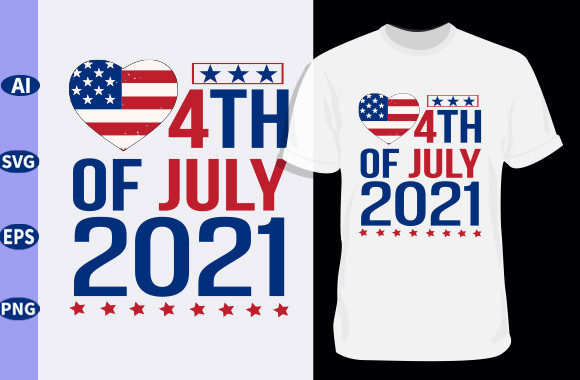
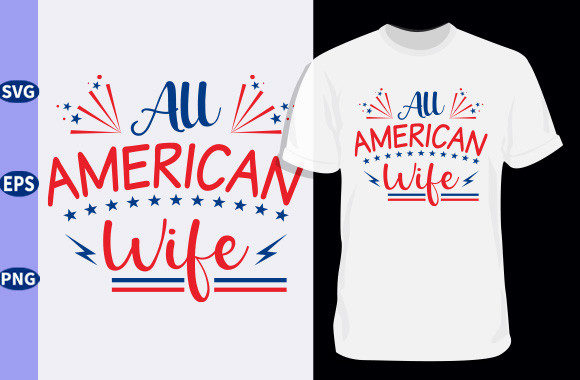
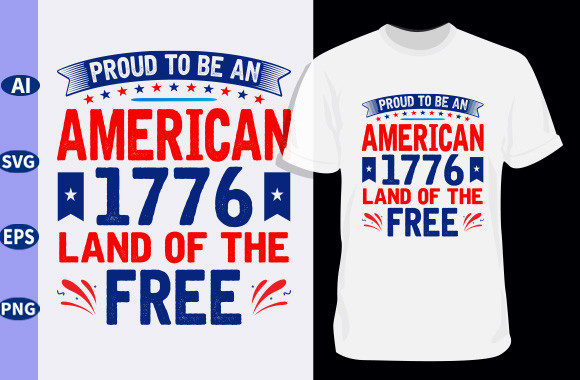
The 4th July SVG 20 carries a confident, festive mood without feeling cluttered. The layout uses bold shapes and clear negative space, which is exactly what I look for when I plan to stitch a design onto a tote bag, sweatshirt, or cap. The theme is unmistakably patriotic, but it does not rely on tiny details that would get lost in thread. The visual personality feels approachable and handmade, which is a strong fit for an Etsy shop or a craft fair booth where customers want something that looks both professional and personal. I could see this design working well on a cotton twill tote for a holiday market, or as a centerpiece embroidery on a denim jacket. The shape and balance suggest it was created with real product use in mind, not just screen display.
How It Performs in Real Embroidery Situations
I tested the 4th July SVG 20 on a few different project types to see how it held up. On a medium-weight cotton sweatshirt, the design stitched cleanly with good coverage. The satin stitch areas laid flat and the fill stitch sections felt dense enough to look solid but not so heavy that they distorted the fabric. I used a tear-away stabilizer and a 60 weight bobbin thread, and the result was a crisp, professional finish. On a linen tote bag, the same design had a softer, more rustic look that I actually preferred for that product. The design adapted well to the fabric texture without puckering or shifting.
I also tested it on a baby onesie as a personalized gift for a July 4th baby shower. The design scaled down nicely, and the small details remained readable. I used a cutaway stabilizer and a size 11 needle, and the stitching held up after a gentle wash test. For commercial embroidery, especially if you are selling finished products at a boutique or online shop, this kind of reliability matters. Customers do not care how many hours you spent digitizing. They care whether the design stays smooth after a few washes and whether the thread colors pop against the fabric.
I also tried the design on a curved cap surface using a cap frame. The layout handled the curve well because the main shapes are broad and the lettering, if any, sits in a balanced zone. I did need to adjust the hoop size slightly and add extra stabilizer behind the cap front, but the design itself did not fight me. That is a sign that the original artwork was built with clean geometry and enough spacing between elements.
Where to Use This Design Carefully
No design is perfect for every product, and 4th July SVG 20 has a few situations where I would use extra caution. On very thin or stretchy fabrics like lightweight jersey or ribbed knits, the stitch density may cause puckering if you do not use a proper stabilizer. I recommend a medium cutaway stabilizer and a test stitch on a scrap piece before committing to the final garment. If you are stitching on dark fabric, check the thread color contrast against the background. Some of the lighter elements might blend into a navy or black garment, so consider a white or bright underlay to make the design pop.
For small hoop sizes, such as a 4x4 hoop, the design may need scaling down, which could affect the clarity of any narrow elements. I always test a scaled version in black and white mockup first to see if the shapes still read well. If you are making embroidered patches, pay attention to the outer edge. A satin stitch border works beautifully here, but you need to make sure the design has a clear path for the edge stitching. The 4th July SVG 20 provided enough open space around the main motif that I could add a border without encroaching on the artwork.
For products that will be washed frequently, like kitchen towels or baby blankets, I suggest using polyester thread for colorfastness and a soft cutaway stabilizer. The design itself is sturdy, but the fabric and stabilizer choice will determine how long the finished product holds up. I also advise clients to avoid stitching this design on very textured fabrics like heavy fleece or boucle, where the details might get swallowed by the surface.
Visual Appeal, Product Value, and Customer Trust
When I sell a finished product featuring 4th July SVG 20, I know the visual appeal will be strong enough to attract attention at a craft fair or in an Etsy listing. The design reads clearly from a distance, which is important for a holiday themed product that often sits on a display table among many other items. Customers tend to trust a handmade product more when the embroidery looks intentional and well executed. A design that stitches cleanly and maintains its shape after washing builds that trust. I have had repeat customers specifically ask for the same design on different products, which tells me the visual personality resonates with them.
For branding purposes, if you run a small shop that specializes in patriotic or holiday themed merchandise, this design fits naturally into a collection. You can offer it on a sweatshirt, a tote bag, a pillow cover, and a cap, and the design will feel consistent across all those surfaces. That kind of coherence helps your shop look established and professional, even if you are just starting out. The digital files also allow you to create printable mockups for your listings, so customers can see exactly what the finished product will look like.
I also appreciate that the design works well for personalized gifts. I made a custom embroidered pillow cover for a client who wanted a July 4th themed housewarming gift. The design sat nicely on the linen pillow front, and the recipient loved the handmade feel. For gift giving, especially holiday gifts or wedding gifts with a patriotic theme, this design adds a personal touch that store bought items cannot replicate.
Practical Designer Notes Before You Stitch
Before you use 4th July SVG 20 in any embroidery project, there are a few steps I recommend taking.
- Test on scrap fabric first. Even if the design looks perfect on screen, thread behavior and fabric texture can change everything. I always stitch a sample on the exact fabric I plan to use for the final product.
- Check thread color contrast. Load the design into your digitizing software and simulate it on both light and dark backgrounds. Adjust thread colors if needed to ensure the design remains readable.
- Review stitch density. If you are converting the SVG to an embroidery file, pay attention to how the digitizing software handles fill areas. Dense areas may need underlay adjustments to prevent distortion.
- Confirm hoop size. Make sure the design fits within your hoop with enough margin for stabilizer and fabric movement. A tight fit increases the risk of shifting.
- Inspect small details. If any element of the design looks thin or narrow in the vector file, it may not stitch cleanly at small scale. Simplify or enlarge those areas before digitizing.
- Test in black and white. Sometimes contrast issues show up more clearly in grayscale. I run a black and white mockup to check whether the design relies too heavily on color to define its shapes.
- Check licensing. The product description states you receive PNG, AI, EPS, SVG, and JPG files, and that you can use the design. Verify whether the license covers commercial use of finished products and digital product sales if that applies to your business. When in doubt, contact the seller for clarification.
I also keep a log of which designs work best on which products. For 4th July SVG 20, I have noted that it excels on midweight cotton, linen, denim, and canvas. It performs well on caps and tote bags, and it makes a strong impression on pillow covers and sweatshirts. I would avoid using it on very lightweight silks or highly stretchy activewear without extensive testing.
Final Thoughts for Designers and Small Shop Owners
The 4th July SVG 20 is a solid choice for anyone who wants a patriotic design that feels thoughtful and ready for real production. It is not a generic clip art pack thrown together with no regard for stitching reality. The file formats are practical, the layout is balanced, and the visual mood is warm and celebratory without being loud. If you are an Etsy seller, a craft business owner, or a handmade product maker looking for a July 4th design that will hold up in embroidery, this one deserves a spot in your digital library. Test it on your machine, try it on a few different products, and see how your customers respond. I think you will be pleased with both the process and the finished product.
Whether you are stitching a batch of custom tote bags for a local boutique, embroidering personalized gifts for holiday orders, or building a small shop collection around patriotic themes, 4th July SVG 20 offers the kind of reliable, attractive design that keeps customers coming back. That is the kind of design asset every apparel decorator and creative entrepreneur needs in their toolkit.