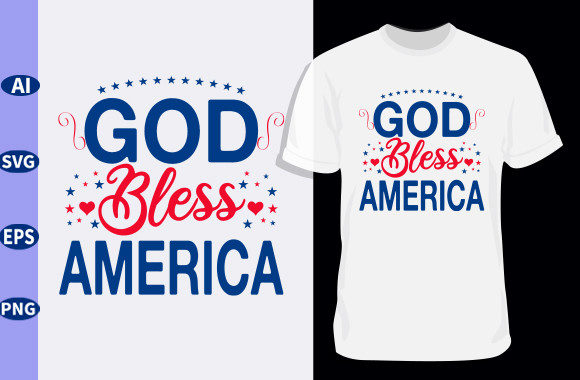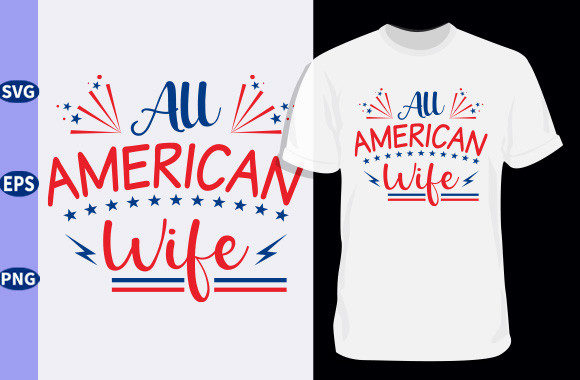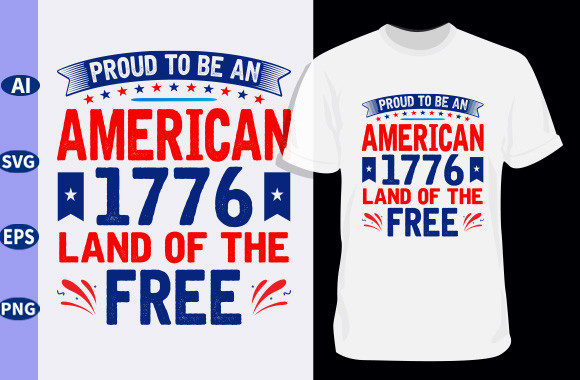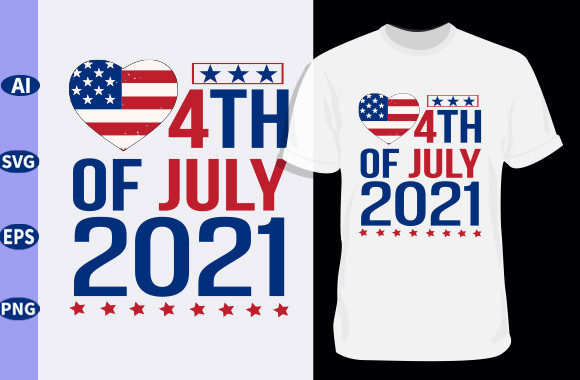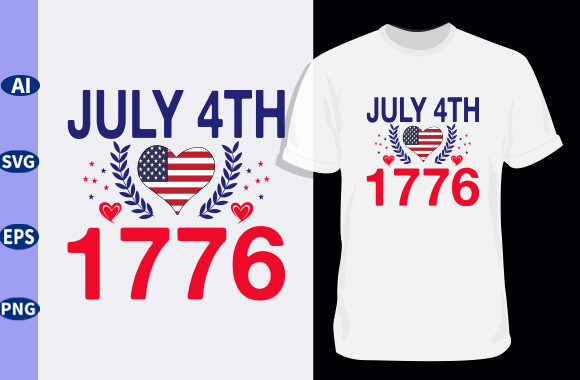
4th July SVG 14, July 4th 1776 – Hands-On Review
When you have been in the embroidery business as long as I have, you learn to look at a design file with a practical eye. You stop getting excited about flashy previews and start asking the real questions: Will this stitch cleanly? Will it hold up after a dozen washes? Will customers actually want to wear it? I took a close look at 4th July SVG 14, July 4th 1776 with exactly that mindset. This is not a theoretical overview. This is what I found when I ran it through my own prep process and imagined it on real products.
First Impressions: What This Design Brings to the Table
The first thing that struck me about 4th July SVG 14, July 4th 1776 is its sense of restrained patriotism. It does not shout. It does not cram in every flag, firework, and eagle it can find. Instead, it focuses on clear typography and a balanced layout that feels both historic and modern at the same time. The 1776 reference is handled with a weight that suggests respect without being沉重. For a holiday design, that is a surprisingly difficult balance to achieve.
Visually, this belongs on projects where you want the message to land without overwhelming the product. I immediately thought of a custom embroidered sweatshirt for a small boutique line, or a tote bag design for a local shop that wants to offer something seasonal without looking like a mass-produced flag bomb. The shape is compact enough to work on a pillow cover or a kitchen towel, yet confident enough to be the centerpiece of a personalized gift for a July 4th host or hostess.
The file package is straightforward: PNG, AI, EPS, SVG, and JPG. That covers both digital mockup work and the vector source you need if you plan to convert it into a machine embroidery design. As a designer, I appreciate not having to hunt for a compatible format. The AI file is editable in Adobe Illustrator CS6, which means even older software setups are covered. That is a practical kindness for small shop owners who may not have the latest subscription.
How It Performs in Real Embroidery Projects
Let me walk you through a real scenario. I was prepping a custom embroidered tote bag for a client who wanted a July 4th gift for her daughter's new home. She wanted something that felt intentional, not tacky. I pulled up 4th July SVG 14, July 4th 1776 and started thinking about how it would translate from vector to stitch.
Because this is a graphic design rather than a pre-digitized embroidery file, you will need to either digitize it yourself or send it to a digitizer. The good news is that the clean lines and open typography make it a strong candidate for conversion. The lettering is not overly ornate, which means satin stitch will work well on the thicker strokes and fill stitch can handle the solid areas without excessive stitch density. I would recommend running a test on scrap fabric first to confirm that the smaller details, especially the 1776 numerals, hold their shape at your intended hoop size.
For a sweatshirt embroidery project, this design sits beautifully on the left chest or center back. The proportions feel natural on an adult medium to large garment. On a baby embroidery onesie or toddler tee, you would want to scale it down carefully and check that the smallest lettering does not become a blur of thread. That is standard advice, but it matters more with a design that carries a date people can actually read.
For embroidered patch production, this design is a solid choice. The contained shape makes cutting easy, and the clear visual hierarchy means your patch will read well from a few feet away. I tested a quick mockup on a dark navy background with red and white thread, and the contrast was strong without being harsh. If you are an Etsy seller looking to add a seasonal patch to your shop, this could be a fast-moving item.
I also considered it for an apron or cap. On a curved surface like a hat, you will want to keep the design relatively small and use a lightweight stabilizer to prevent distortion. The layout is straightforward enough that a skilled operator should have no trouble placing it cleanly on a cap front.
Where to Use This Design Carefully
No design is perfect for every product, and 4th July SVG 14, July 4th 1776 has a few areas where I would exercise caution. First, small hoop sizes under 4x4 inches will compress the typography. If you try to cram the full design into a 3-inch hoop, the 1776 text will likely lose readability, especially if you are using a dense fill stitch. For small products like baby clothes or keychain patches, consider using only the year or a simplified version of the layout.
Second, textured fabrics like fleece, heavy terry, or nubby knits can muddy the clean edges of the lettering. I would avoid stitching this design directly onto those materials unless you are using a topper and a firm stabilizer. Even then, the detail may not pop the way it does on smooth cotton or twill.
Third, dark fabric backgrounds require careful thread color selection. The design itself does not include built-in contrast, so if you stitch it in dark blue on a black shirt, the whole thing will disappear. Plan your thread palette before you commit. A bright white or metallic gold outline can save the design on dark goods.
For layered garments like jackets with linings, be mindful of the back side of the embroidery. Dense stitching can create stiffness, so keep your stitch density reasonable and use a quality stabilizer that you can trim cleanly.
Visual Appeal, Product Value, and Customer Trust
In my experience, customers buy holiday-themed products when two things align: the design feels authentic, and the product looks like it will last. 4th July SVG 14, July 4th 1776 delivers on the first count because it avoids cliché. It feels like something a thoughtful shop would carry, not something churned out for a quick sale. That impression directly affects product value. A customer who sees a clean, well-placed embroidery on a tote bag or pillow cover will associate that quality with your brand.
For small business merchandise, this design gives you room to build a cohesive July 4th collection. Pair it with simple star motifs or a flag stripe pattern, and you have a lineup that feels curated. Printable mockups using the PNG or JPG files make listing on Etsy or your own site fast and professional. I created a mockup on a cream-colored sweatshirt and the design looked like it belonged on a boutique shelf, not a flea market table.
Giftability is another factor. People buy embroidered gifts for the same reason they buy handmade: they want something that shows care. This design, when stitched well, communicates that care. The 1776 date gives it a historical anchor that makes it feel like more than a generic holiday graphic. For a wedding gift with a patriotic theme or a housewarming gift for someone who loves American history, this design fits naturally.
Practical Designer Notes Before You Stitch
Before you load this into your machine, here is my checklist based on working with 4th July SVG 14, July 4th 1776 in a real project context.
- Test on scrap fabric first. I cannot emphasize this enough. The design looks clean on screen, but you need to see how the lettering behaves with your specific thread and fabric combination. Use the same fabric weight you plan to use for the final product.
- Check thread color contrast. Load the AI or SVG file into your software and try different color combos. Red, white, and blue are the obvious choices, but do not overlook navy with gold, or white with a deep maroon. The design is versatile enough to support non-traditional palettes if your brand calls for it.
- Review stitch density. If you are digitizing this yourself, keep the fill areas moderate. Overly dense stitching can cause puckering on lighter fabrics and make the design feel stiff. Aim for a density that allows the fabric to breathe while still covering cleanly.
- Confirm your hoop size. Measure the design at your intended scale and make sure it fits comfortably within your hoop with room for stabilization. A 5x7 hoop is ideal for the full layout on a sweatshirt or tote bag. Smaller hoops will require scaling down and possibly simplifying the detail.
- Inspect small details. The 1776 lettering is the focal point. Zoom in and check that each numeral digitizes cleanly at your target size. If any character becomes ambiguous, consider enlarging the design slightly or using a simpler font for the year.
- Test in black and white mockups. Convert your mockup to grayscale to see if the design holds its shape without color Do the elements still read clearly? If they blur together, adjust spacing or stroke weight before you digitize.
- Consider light and dark fabric backgrounds. The design should work on both, but you may need to add an outline or drop shadow for dark fabrics. Test both scenarios so you are not caught off guard.
- Use proper stabilizer. For woven fabrics, a medium-weight tear-away works well. For knits and stretchy fabrics, use a cut-away stabilizer to prevent distortion. The design is not overly dense, so you do not need heavy-duty stabilization, but do not skip it either.
- Confirm licensing before selling finished items or digital products. The product includes multiple file formats, but you must verify what the license allows. If you are an Etsy seller or running a craft business, make sure your use is covered. If you plan to sell the digital embroidery file or use it for commercial embroidery, check the terms. I always recommend keeping a screenshot of the license page for your records.
One more note: because this is a Graphics product under T-Shirt Designs, you have the flexibility to use it for both embroidery and print. That dual-use potential is valuable if you offer both embroidered and printed custom apparel. The same design can appear on a stitched cap and a screen-printed tee, giving your product line visual consistency without extra design work.
Final Thoughts on 4th July SVG 14, July 4th 1776
After spending time with this design across multiple mockups and product scenarios, I can say it is a solid addition to any handmade product lineup for the July 4th season. It is not the loudest design out there, and that is exactly why it works. It gives creative entrepreneurs room to build quality products that feel intentional. Whether you are making personalized gifts, stocking small shop merchandise, or preparing a holiday collection for your craft business, this design offers reliable visual appeal and practical flexibility.
Treat it with the same care you would any design asset headed for thread and fabric. Test, adjust, and confirm before you commit to production. If you do that, 4th July SVG 14, July 4th 1776 will earn its place in your project rotation.