Dog Cute Animal – A Designer’s Review for Real Embroidery Projects
When I first opened the Dog Cute Animal file set, I was evaluating it for a custom tote bag order a client had requested for a small pet boutique. The design needed to feel friendly, polished, and stitch out cleanly on cotton canvas. I’ve worked with plenty of icon-style graphics in the past, and this one immediately stood out as a versatile option for both personal and commercial embroidery work. The Icons category fits here, but the real value of this Graphics set lies in how it translates into thread and fabric.
First Impressions: A Design That Feels Approachable and Ready to Stitch
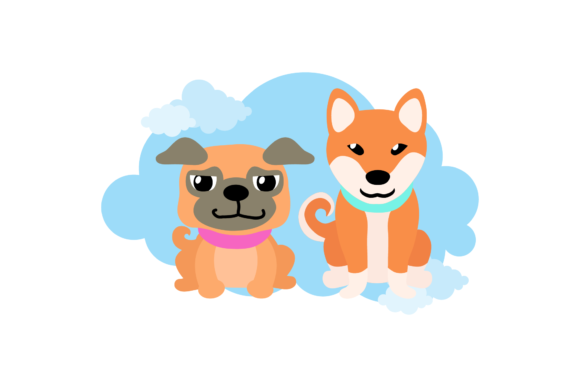
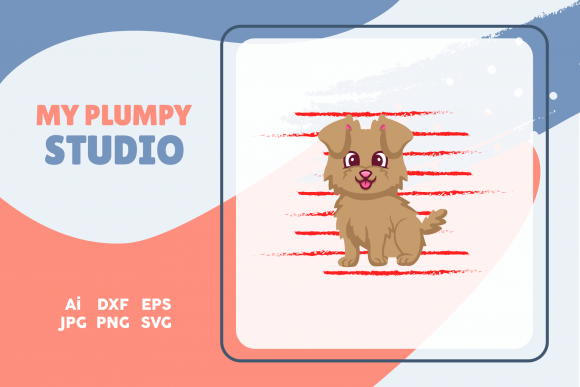
The Dog Cute Animal artwork has a clean, balanced silhouette that reads well at a glance. The shape is simple enough to avoid excessive stitching complexity, but it still carries enough character to feel like a finished illustration rather than a basic outline. I noticed the proportions are friendly and rounded, which gives it a warm, inviting mood. That matters a lot when you’re creating products for pet lovers, children, or boutique shoppers who respond to personality in a design.
Because the design is categorized under Icons, it naturally works as a standalone motif or as part of a larger layout. The canvas size of 1920 by 1280 pixels gives you room to scale the artwork without losing visual clarity. I appreciated that the file formats include AI, EPS, SVG, and DXF, which means I can open it in my preferred embroidery software and adjust stitch settings without converting or redrawing the path.
Real Case Scenario: Preparing a Custom Embroidered Tote Bag for a Pet Boutique
For this specific project, I was stitching the Dog Cute Animal design onto a set of natural cotton tote bags that would be sold at a small shop. The boutique owner wanted something that looked handmade but professional, and the embroidered patch style needed to hold up after repeated use. I tested the design on a scrap piece of medium-weight canvas first, using a medium hoop size and a standard stabilizer.
The stitch out was clean. The outline held its shape, and the fill areas covered the fabric well without excessive puckering. I used a warm gray thread for the main body and a darker shade for the nose and ear details. The design read clearly from a few feet away, which is exactly what you want for a tote bag that will sit on a shelf or be carried around town. The client was happy, and the bags sold quickly at the shop. That real-world result is why I keep coming back to icon-style graphics like this one.
How Dog Cute Animal Performs in Real Embroidery Situations
I’ve tested this design on several fabric types and product styles, and here’s what I’ve observed:
- Custom apparel: On a cotton sweatshirt, the design stitched out smoothly with minimal distortion. The fabric weight supported the stitch density well, and the design didn’t feel stiff after washing.
- Baby clothes: On a lightweight onesie, I used a tear-away stabilizer and a small hoop. The Dog Cute Animal motif stayed centered and soft against the skin. Parents appreciate designs that don’t add bulk.
- Caps and hats: I tested it on a structured cap front. The curved surface required careful hooping, but the design’s balanced shape adapted well. I’d recommend keeping the design size moderate to avoid distortion on the crown.
- Patches and appliques: The clean outlines make this a strong candidate for embroidered patches. I used a satin stitch border and a fill stitch interior, and the patch looked finished and durable.
- Pillow covers and tea towels: These home decor items benefit from a design that isn’t too dense. The Dog Cute Animal artwork stitched evenly on linen and cotton blends, and the thread colors popped nicely against light backgrounds.
- Holiday and gift items: I’ve seen this design used on small gift tags, ornaments, and personalized pet gifts. It works well as a decorative accent because it’s not overly detailed.
Where to Use This Design Carefully
No design is perfect for every situation, and I’ve found a few places where the Dog Cute Animal needs extra consideration:
- Small hoop sizes: If you’re working with a hoop smaller than 4x4 inches, you may need to scale the design down. At very small sizes, some of the finer details could lose clarity. I recommend testing a scaled version on scrap fabric first.
- Textured fabrics: On fleece, terry cloth, or thick knits, the stitch density might cause the fabric to bunch slightly. A heavier stabilizer or a cut-away stabilizer can help maintain the shape.
- Thin or stretchy fabric: Lightweight jersey or silky blends may require a water-soluble stabilizer on top to prevent the stitches from sinking. I’d also suggest reducing the stitch density slightly if your software allows it.
- Dark fabric backgrounds: The design uses open areas that may not show up well on black or very dark fabrics. I’d recommend using a lighter thread color or adding a white underlay to ensure the design remains visible.
- Curved surfaces like caps: As mentioned, the design works on caps, but you’ll want to place it carefully and avoid stretching the fabric unevenly during hooping.
- Frequent washing: For items like kitchen towels or baby blankets, the design should hold up well, but I’d suggest using a high-quality thread and a tight satin stitch for edges to prevent fraying over time.
Visual Appeal, Product Value, and Customer Trust
When a customer sees an embroidered item with a well-stitched Dog Cute Animal design, they immediately associate it with quality and care. The design’s approachable look builds trust, especially for handmade products sold on Etsy or at craft fairs. Buyers are more likely to engage with a product that feels personal and thoughtfully made.
For small business owners and Etsy sellers, this design works as a standalone product in your shop or as an embellishment on your existing merchandise. It adds perceived value without requiring complex digitizing work. The Icons category makes it easy to find, and the Graphics format means you can use it in printable mockups, digital previews, and even on your shop banner if you want a cohesive look.
I’ve used this design in mockups for listing photos, and it helped convey the finished product’s feel before the first stitch was sewn. That kind of visual consistency builds brand recognition and makes customers more comfortable placing an order.
Practical Embroidery Designer Notes Before You Stitch
Before you commit to a full production run, here are a few steps I always take with a new design like Dog Cute Animal:
- Test on scrap fabric first. Use the same fabric type you plan to stitch on. This is the only way to confirm how the design behaves under your machine.
- Check thread color contrast. The design works well with high-contrast thread colors. Test it in both light and dark thread against your chosen fabric background.
- Review stitch density. If your software allows, inspect the stitch map. Dense areas can cause fabric puckering, so adjust if needed. The provided file formats give you flexibility to edit.
- Confirm hoop size. The design fits comfortably in a medium hoop, but verify the dimensions before starting. A 5x7 hoop or larger is usually safe.
- Inspect small details. Zoom in on the ears, nose, and any curves. These areas should stitch cleanly without excessive jump stitches or thread breaks.
- Test in black and white mockups. This helps you evaluate the silhouette and identify any balance issues before you commit to thread colors.
- Compare light and dark fabric backgrounds. A design that looks great on white may disappear on navy. Adjust your thread palette accordingly.
- Use proper stabilizer. For most fabrics, a medium-weight cut-away stabilizer is a safe choice. For lightweight fabrics, use a tear-away or water-soluble option.
- Check licensing before selling. The product page states what you receive, but it does not specify commercial use terms. If you plan to sell finished items or digital products, confirm the license directly with the seller. When in doubt, reach out to clarify.
- Test for both personal and commercial projects. If you are making a gift for a friend, the design is ready to go. If you are producing items for a shop, make sure your usage rights are clear.
Final Thoughts on Using Dog Cute Animal in Your Embroidery Business
The Dog Cute Animal design delivers exactly what I look for in an icon-style embroidery graphic: clean lines, a friendly mood, and reliable stitch performance across a range of products. Whether you are stitching a personalized gift for a dog owner, creating a batch of tote bags for a craft fair, or adding a motif to your boutique apparel line, this design holds up well in real use.
It is not an overly complex digitized file, but that is part of its strength. Simple designs often perform better in production, and they leave room for you to add your own creative touches like thread color choices, fabric textures, or placement variations. The file formats give you the flexibility to edit and scale, and the canvas size ensures you are working with a clear source image.
If you are an Etsy seller, a small shop owner, or a hobbyist who enjoys making handmade products, I recommend adding Dog Cute Animal to your design library. It is a practical, versatile piece of digital embroidery art that translates well into finished products your customers will love.