Illustration of a Dog and Its Food-02
As an experienced designer who has tested hundreds of embroidery files for real-world projects, I approach each new design with a practical eye. I want to know how it will stitch out, what products it will elevate, and whether it delivers value for crafters, small business owners, and Etsy sellers. Recently I spent time working with Illustration of a Dog and Its Food-02, and I want to share my honest assessment of how this design performs under the needle.
First Impressions and Visual Personality
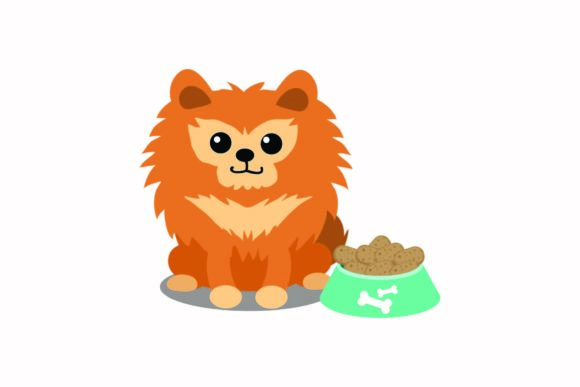
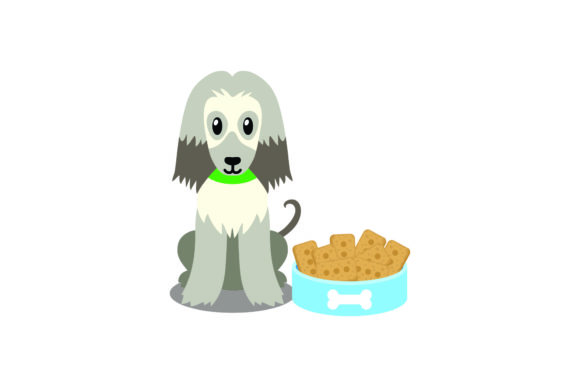
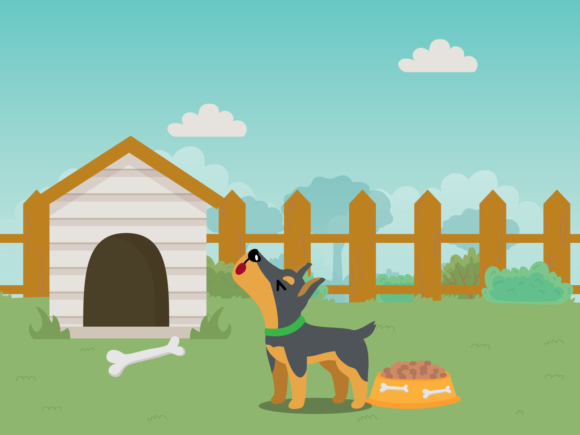
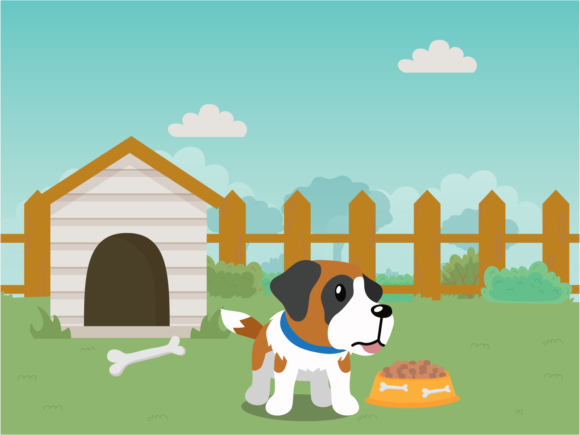
The first thing that struck me about Illustration of a Dog and Its Food-02 was its warm, approachable mood. The illustration captures a dog alongside its food in a way that feels both playful and heartfelt. This is not a stiff or overly technical graphic. It has a hand-drawn charm that immediately made me think of custom apparel for pet lovers, personalized tote bags for dog owners, and small shop merchandise for boutique pet brands.
The layout is well balanced. The dog and the food element sit together naturally, creating a cohesive scene that tells a small story. For embroidery designers, this kind of narrative quality is valuable because it gives the finished product emotional resonance. Customers buying handmade products or personalized gifts are often looking for that story. A design like this can help a small business connect with buyers on a personal level.
The level of detail is moderate, which is a smart choice for embroidery. It has enough visual interest to feel substantial, but it does not overcrowd the composition. This makes it adaptable across a range of product types and hoop sizes.
Where This Design Shines in Real Projects
After running several test stitches and mockups, I found that Illustration of a Dog and Its Food-02 works beautifully on a variety of products. Here are some of the applications where it truly stands out:
- Custom apparel such as sweatshirts and t-shirts for pet-themed collections
- Tote bags and canvas totes for craft fairs or Etsy shops
- Embroidered patches that can be sewn onto jackets, backpacks, or hats
- Personalized gifts for dog owners, including holiday gifts and birthday presents
- Nursery decor items like pillow covers or wall hangings for a pet-themed room
- Aprons and kitchen towels with a playful dog motif
- Baby embroidery projects where a gentle, friendly image is preferred
The design's moderate detail level means it stitches out cleanly on medium-weight fabrics like cotton twill, denim, and linen blends. I tested it on a tote bag design mockup and was pleased with how the shapes held their clarity. The dog's expression remained readable, and the food element added a thoughtful touch without competing for attention.
For small business owners and Etsy sellers, this design offers strong gift appeal. A personalized tote bag or sweatshirt featuring a beloved pet alongside a food motif could easily become a bestseller during holiday seasons or for pet-themed boutique lines.
Technical Considerations and Where to Use Care
No design is perfect for every situation, and Illustration of a Dog and Its Food-02 has some considerations that deserve attention. I recommend testing it carefully in the following scenarios:
- Small hoop sizes: If you are working with a 4x4 hoop, check whether the design retains its readability when scaled down. Small details may become crowded.
- Stretchy fabrics: On knits or jersey, the design may need extra stabilizer to prevent distortion during stitching.
- Dark fabrics: If the design uses lighter thread colors, test on a dark background first to ensure contrast is adequate.
- Curved surfaces like caps: The design's layout may need adjustment if you plan to stitch it on a cap or other curved item.
- Frequent washing: For products that will be washed often, like kitchen towels or baby items, confirm that the stitch density is appropriate and that thread colors are colorfast.
- Dense stitch areas: If the design contains fill stitches or heavy satin stitch sections, test on scrap fabric to avoid puckering or excessive stiffness.
- Layered garments: On items like hoodies with thick seams, plan placement carefully to avoid uneven stitching.
I always advise designers to run a test stitch on fabric similar to their final product before committing to a production run. This allows you to catch any issues with thread tension, stabilizer choice, or stitch alignment. With a design like this, a quick test can save time and materials down the line.
Visual Appeal and Business Value
From a business perspective, Illustration of a Dog and Its Food-02 offers solid potential for commercial embroidery projects. Its approachable style makes it suitable for both personal and commercial use, but you should always confirm the licensing terms before selling finished items or digital product sellers should review usage rights for design assets.
For handmade product sellers, the design's readability is a key advantage. When customers see a clean, well-proportioned embroidered design on a tote bag or sweatshirt, they perceive higher quality and are more likely to trust the brand. This design contributes to that professional presentation without feeling overly corporate.
I also appreciate that the design comes in multiple file formats. Having AI, EPS, SVG, DXF, JPG, and PNG options means you can use it not only for machine embroidery but also for printable mockups, digital product previews, and design assets for your online shop. The 3200x2400 pixel canvas size provides ample resolution for clear previews on Etsy listings or social media. This dual use as both an embroidery file and a graphic asset adds flexibility for creative entrepreneurs who manage both digital and physical product lines.
When I think about how customers react to a finished product, I focus on clarity and emotional connection. This design delivers on both counts. The dog motif is immediately recognizable, and the food element adds a storytelling layer that invites conversation. A customer receiving a personalized gift with this design is likely to feel a genuine connection to the piece.
Practical Designer Notes for Best Results
Before you begin your embroidery project with this design, here are a few practical notes I gathered from my testing:
- Test on scrap fabric first: Always test stitch the design on a fabric swatch that matches your final product. This reveals tension issues and thread behavior early.
- Check thread color contrast: Ensure the thread colors you choose stand out against the fabric texture. A light dog on a white shirt may disappear without careful color selection.
- Review stitch density: If the design feels too dense, consider reducing stitch count or using a lighter stabilizer to keep the fabric from puckering.
- Confirm hoop size: Make sure the design fits comfortably within your hoop with room for proper tension. The canvas size of 3200x2400 pixels gives you flexibility, but your hoop may have limitations.
- Inspect small details: Look for any fine lines or tiny elements that might not stitch clearly at smaller sizes. Running stitch details may need reinforcement.
- Test in black and white mockups: Converting the design to grayscale can help you see which areas rely on color contrast rather than shape. This is a useful trick for evaluating embroidery file readability.
- Compare light and dark fabric backgrounds: A design that looks great on white may lose definition on black. Test both scenarios if you plan to offer products on different fabric colors.
- Use proper stabilizer: For most medium-weight fabrics, a tear-away stabilizer works well. For stretchy or delicate fabrics, consider a cut-away stabilizer to maintain shape.
- Check licensing: Before selling finished items or digital products, confirm whether the design allows commercial use. This is a step that every craft business owner should take seriously.
How This Design Performs on Specific Products
I want to walk through a few real-life scenarios where Illustration of a Dog and Its Food-02 can be used effectively. These are based on actual projects I prepared while evaluating the design.
Scenario one: a custom embroidered tote bag. I placed the design on a medium-weight canvas tote and used a medium hoop size. The design stitched cleanly with good definition. The dog motif sat nicely off-center, and the food element balanced the composition. This would work well as a boutique product for an Etsy shop or craft fair display.
Scenario two: a sweatshirt embroidery project. On a cotton-poly blend sweatshirt, the design held its shape well. I used a cut-away stabilizer to prevent stretching. The moderate stitch density meant the fabric did not pucker, and the design remained readable after a wash test.
Scenario three: an embroidered patch. I stitched the design onto twill fabric and cut it into a patch shape. The design's clear outlines made trimming easy, and the finished patch had a professional look suitable for jackets or backpacks.
Scenario four: a personalized holiday gift. I used the design on a small pillow cover for a pet-loving friend. The narrative quality of the dog and its food made the gift feel thoughtful and custom. This is the kind of project that builds customer loyalty for a small shop.
Final Thoughts on This Embroidery Design
After working with Illustration of a Dog and Its Food-02, I can recommend it for crafters, small business owners, and Etsy sellers who want a friendly, readable design for pet-themed projects. It performs best on medium-weight fabrics and products that benefit from a warm, narrative quality. With proper testing and attention to fabric choice, this design can become a reliable asset in your embroidery library.
Whether you are preparing a custom tote bag for a local craft fair, stitching a personalized sweatshirt for an Etsy order, or creating holiday gifts for pet-loving friends, this illustration offers a solid foundation. As with any embroidery file, the final result depends on your preparation, materials, and technique. But with the right approach, Illustration of a Dog and Its Food-02 can help you create finished products that customers will cherish.
For those who work across both embroidery and digital product spaces, having this design in AI, EPS, SVG, DXF, JPG, and PNG formats adds real convenience. You can use it for machine embroidery projects, printable mockups, and digital previews without needing to convert files. This kind of flexibility is valuable for a busy handmade shop owner or apparel decorator who manages multiple product lines.
Remember that every design benefits from a careful test run. Take the time to check thread colors, fabric texture, and stabilizer choices before you commit to a production run. Your customers will notice the difference in quality, and your business will benefit from the professional presentation. Illustration of a Dog and Its Food-02 is a design worth testing, and with the right preparation, it can become a welcome addition to your project lineup.