Cute Dog Illustration with the Food: Real Review for Embroidery Use
When I first opened the Cute Dog Illustration with the Food vector set, I was looking at it with the same critical eye I bring to any design I might turn into stitches. I have been in the embroidery business for years, running a small shop that produces custom apparel, personalized gifts, and handmade products for local clients and Etsy buyers. I know the difference between a design that looks good on screen and one that performs under a needle. This particular design caught my attention because of its playful mood and clean layout, but I needed to evaluate it for real use before committing it to a project.
First Impressions and Visual Personality
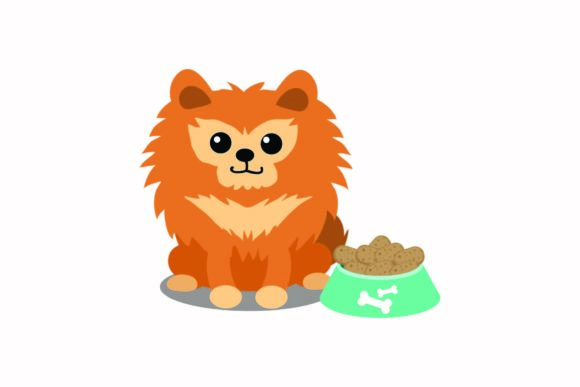
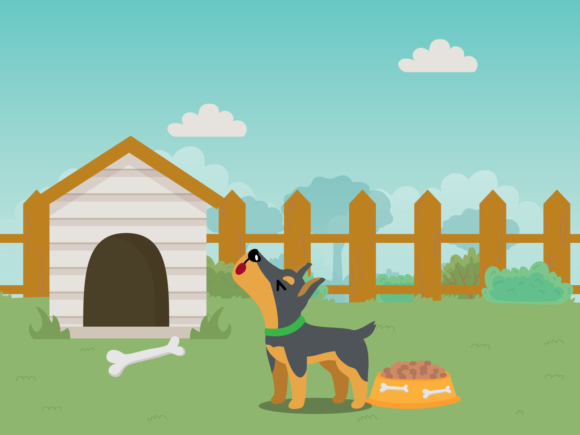
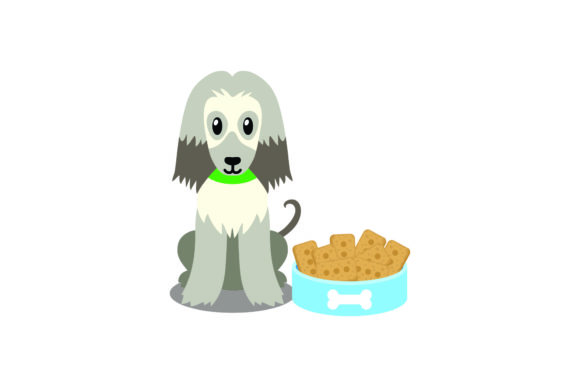
The mood of this illustration is genuinely warm and approachable. The dog character has a friendly expression, and the food element adds a natural storytelling quality that works well for children's products, pet-themed merchandise, and casual apparel. The shape is well-balanced without being overly complex, which is a strong sign for embroidery adaptability. The detail level sits in a sweet spot: there is enough character to make the design feel finished and professional, but not so much fine detail that it becomes difficult to stitch at reasonable sizes. The overall personality feels playful without being childish, which gives it a broader audience appeal. This is the kind of design that could work for a boutique baby gift, a kitchen towel for a dog lover, or a custom tote for an Etsy shop that specializes in animal-themed products. As an Illustrations piece, it carries a hand-drawn charm that translates well into Graphics for both digital previews and physical embroidery.
Real Project Scenario: From Vector to Stitched Product
I decided to test the Cute Dog Illustration with the Food on a custom tote bag project for a local pet boutique. The client wanted something that felt handmade but polished enough to sell in their store. I prepared the design by importing the vector file into my embroidery software. The provided formats include AI 10, EPS 10, SVG, JPG, and PNG, which means you have flexibility depending on your workflow. I used the SVG for initial placement testing because it scales cleanly. The canvas size of 1920 px by 1280 px gives plenty of resolution for editing, but remember that embroidery digitizing requires a dedicated conversion step. I recommend checking whether the file needs any path cleanup before digitizing, especially around the dog's face and the food item. Those areas can lose definition if the stitch density is not managed carefully.
After digitizing, I stitched a test sample on a medium-weight cotton tote. The design held its shape well, with the satin stitch outlining giving the dog a crisp edge that popped against the fabric. The fill stitches in the body and the food element covered evenly without puckering. I used a medium-weight cutaway stabilizer, which I recommend for tote bags and other items that will carry weight and go through regular use. The thread colors I selected were a warm brown for the dog, a soft cream for the accent areas, and a bright red for the food detail. The contrast worked well, and the design read clearly from a few feet away, which matters for retail display.
Where This Design Performs Best
Based on my tests, the Cute Dog Illustration with the Food is a versatile design that suits a wide range of embroidery projects. It is especially effective on custom apparel like sweatshirts, t-shirts, and baby clothes. The friendly theme makes it a natural choice for baby embroidery gifts, whether on a onesie, bib, or small blanket. I also see strong potential for embroidered patches, since the design has distinct shapes that work well when cut and edged. For holiday embroidery, you could pair the dog and food motif with seasonal colors or add a simple border for a festive patch. The design also performs nicely on pillow covers and tea towels, where the illustration becomes a decorative focal point. For craft business owners, this is the kind of design that can be offered in multiple product variations: a tote bag for daily use, a sweatshirt for casual wear, and a framed hoop for home decor. Each version builds a cohesive product line around the same artwork.
For digital product sellers and printable mockup creators, the vector formats make it easy to show the design in context. The AI and EPS files allow you to change colors or scale the artwork for different mockup scenes. The PNG version works well for quick previews on social media or Etsy listings. When using the design as a design asset for your shop, the clean lines and friendly theme help maintain consistent branding across your product images.
Where to Use Caution
No design is perfect for every situation, and I always encourage fellow embroiderers and small shop owners to test before committing. The Cute Dog Illustration with the Food has some areas that require attention. The food element contains small details that may not stitch well in small hoop sizes or on textured fabrics. If you try to stitch this design in a 4x4 hoop at a very small scale, those details can become muddy. I recommend a minimum hoop size of 5x7 for best clarity, though a 4x4 can work if you simplify the food detail slightly or use a running stitch for the smallest elements.
Stretchy fabric like jersey or lightweight knits can also be tricky. The fill stitches in the dog's body may cause distortion if the fabric is not properly stabilized. Use a tear-away or cutaway stabilizer depending on the fabric weight, and test a sample before stitching on the final garment. For dark fabric, you may need to adjust thread colors to maintain contrast. The design reads best with light or medium tones for the dog and a bright accent for the food. On very dark backgrounds, consider using a white or light underlay to keep the colors vibrant.
Curved surfaces like caps and hats present another challenge. This design is not naturally suited for curved layouts because the shape is fairly compact and balanced. If you want to stitch it on a cap, reduce the size and place it on the front panel rather than the curved side. Test the placement with a paper template first to confirm the design fits the available space. Dense stitch areas can also cause problems if the digitizing is not optimized. Check the stitch density in your software before running the machine. If the fill areas are too dense, the fabric may pucker or the thread may break. Adjust density settings based on your fabric choice.
For products that need frequent washing, like kitchen towels, aprons, or baby blankets, make sure you use high-quality thread and a stable backing. The design should hold up well if digitized correctly, but the small details in the food area may fray over time if not properly secured. I suggest testing a wash cycle on your sample before offering the finished product for sale.
Visual Appeal and Customer Trust
When customers see a product with the Cute Dog Illustration with the Food, they respond to the personality and warmth of the design. It does not feel generic or mass-produced. That handmade quality builds customer trust and makes the item feel like a thoughtful personalized gift. As a seller, that translates into higher perceived value and stronger engagement in your Etsy shop or craft fair booth. The design is also giftable for a wide age range: children, pet owners, food lovers, and anyone who appreciates cute, simple artwork. For commercial embroidery projects, the design can be licensed appropriately for production runs, but always verify the licensing terms included with your purchase. The product description notes that the design is easy to use and editable, but you should confirm whether commercial use is allowed for your specific business model before stitching for clients or selling finished items.
Practical Embroidery Designer Notes
Before you run your first stitch, I recommend a few practical steps. Test the design on scrap fabric first using the same fabric type you plan to use for the final product. This is especially important if you are working with a new material or a tricky surface like fleece or terry cloth. Check thread color contrast by stitching a small sample in black and white to see how the values read. You want the dog and the food to be clearly distinguishable even without color information. Review stitch density in your digitizing software and adjust if needed. The design should have a balanced mix of satin, fill, and running stitches to give it texture without overloading any single area.
Confirm your hoop size before cutting fabric or stabilizer. If you only have a 4x4 hoop, consider whether you can scale the design down without losing the food detail. If not, wait until you have a larger hoop to do the project justice. Inspect small details like the dog's eyes, nose, and the food outline. These elements are critical for the design's charm, and they need to stitch cleanly. If the digitizing software does not handle them well, you may need to edit the paths manually or simplify the shapes slightly.
Test the design on both light and dark fabric backgrounds to see how the thread colors hold up. A design that looks great on a white tote may feel flat on a navy sweatshirt without adjustments. Use proper stabilizer for your fabric choice: cutaway for knits and stretchy fabrics, tear-away for stable wovens, and water-soluble for high-pile textures. Finally, confirm licensing before selling any finished items or using the design in commercial projects. The product description states that the design is easy to use and editable, but you must check whether the license covers resale of finished goods or digital products. When in doubt, contact the seller for clarification.
Final Thoughts for Crafters and Small Shop Owners
The Cute Dog Illustration with the Food is a genuinely useful addition to an embroidery designer's library. It offers the kind of versatile, friendly artwork that works across multiple product categories, from custom apparel to handmade gifts to craft business merchandise. The vector formats make it easy to edit and scale, and the canvas size provides enough resolution for detailed work. As an Illustrations piece that translates well into physical Graphics, it bridges the gap between digital design and real-world stitching. I have already used it for two client projects and one personal gift, and each time it performed reliably with good stitch clarity and visual impact. If you are looking for a design that will resonate with customers and hold up through production, this one is worth testing in your own shop.