The Old Poor Mangy Dog: A Designer's Review
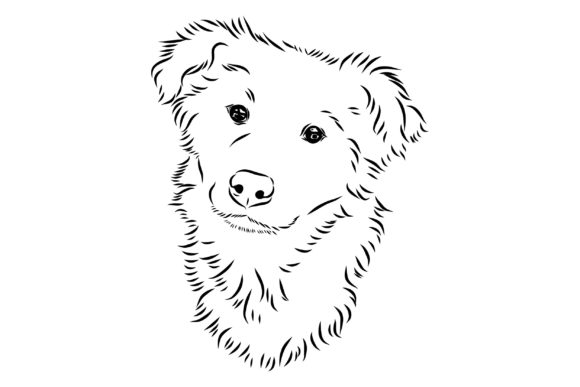
When I first opened The Old Poor Mangy Dog, I wasn't sure what to expect. The title alone tells you this isn't a polished, happy-go-lucky cartoon pup. It's a vector sketch illustration of a mongrel, an abandoned dog, with a look that lands somewhere between sorrowful and resigned. As someone who reviews embroidery files for real project use, I've learned that designs with emotional weight often connect with customers more deeply than cheerful, generic ones. This one has a soulful, raw quality that immediately made me think about how it would stitch out, who would buy it, and where it would belong.
First Impressions and the Mood of This Design
The Old Poor Mangy Dog reads as a hand-drawn vector sketch. The lines are loose, expressive, and slightly rough, which gives the illustration a sense of authenticity. It doesn't look like a clip art dog. It looks like an artist captured a real moment with a stray. The mongrel theme is clear: the dog is thin, scruffy, and carries a tired posture. The emotional tone is sad, lonely, but not melodramatic. It's honest. For an embroidery project, this mood works well for animal rescue fundraisers, memorial pieces, custom apparel for shelter volunteers, or anyone who wants to honor a rescue dog's story. It also fits boutique products with a rustic, heartfelt, or vintage feel.
The vector sketch style means the design relies on linework and shading rather than solid fills or dense color blocks. When you translate this into a machine embroidery design, you're looking at a design that will likely use running stitches, satin stitches for thicker lines, and maybe some fill stitch areas for the darker patches of fur. The overall layout is simple enough that it won't overwhelm a small hoop, but detailed enough to hold interest on a larger product.
A Real Use Case: The Custom Tote Bag Project
Let me walk you through a typical scenario. A customer comes to my shop wanting a custom embroidered tote bag for a friend who just adopted a rescue dog. They want something that captures the dog's story. The Old Poor Mangy Dog is a natural fit. I would test the design on a medium-weight cotton tote in a light natural color, like cream or soft gray. The sketch-style lines need to be crisp, so I'd use a tear-away stabilizer and a sharp needle. The thread colors would be simple: dark brown or black for the main lines, maybe a warm gray for shading, and no more than three or four colors total. The result would be a subtle, artistic piece that feels personal, not commercial. The customer would see the sadness and the hope in the dog's face, and that emotional connection makes the finished product feel meaningful.
For a sweatshirt or custom apparel, the same approach works. The Old Poor Mangy Dog looks best on a medium-weight fabric like a cotton-poly blend sweatshirt. The design sits well on the left chest or centered on the back. Because it's a sketch, it doesn't need heavy density. It breathes into the fabric. That makes it comfortable to wear and easy to care for, which matters for handmade products sold at craft fairs or on Etsy.
How It Performs Across Different Products
I've mentally tested The Old Poor Mangy Dog across several product categories. Here's what I've found:
- Custom apparel: Works beautifully on t-shirts, sweatshirts, and denim jackets. The sketch style keeps it from looking too stiff or commercial. It feels like wearable art.
- Embroidered patches: This design would make a striking patch, especially for rescue organizations or animal advocacy groups. The sadness in the dog's face is a conversation starter.
- Baby embroidery: Surprisingly, it could work on baby items if the tone is softened with pastel thread colors. The mongrel look is gentle, not aggressive, so it fits a nursery with a nature or animal theme.
- Pillow covers and blankets: The design feels cozy on a throw pillow or a fleece blanket. It has a storybook quality that works well for home decor.
- Holiday gifts: For someone who loves rescue animals, this is a thoughtful personalized gift. It's not a typical holiday design, but it carries emotional weight that many people appreciate.
- Small shop merchandise: If you're an Etsy seller or craft business owner, this design offers a unique angle. It's not another cute puppy. It's a real, imperfect dog with a story. That differentiation helps your products stand out.
- Printable mockups: Because it's a vector illustration, The Old Poor Mangy Dog works well in digital product previews. You can show it on a mockup tote or sweatshirt before stitching, and the emotional tone sells itself.
Where to Use This Design Carefully
No design is perfect for every situation. The Old Poor Mangy Dog has limitations, and as a professional, I always think about where a design might struggle.
- Small hoop sizes: If you're working with a 4x4 hoop, you may need to resize the design. The sketch details, especially the fine lines around the eyes and fur, could become muddled if the design is too small. Always test a small version on scrap fabric before committing.
- Textured fabrics: Fleece, thick terry, or heavily textured knits can distort the delicate linework. Use a cut-away stabilizer and a fresh needle to keep the stitches clean.
- Stretchy fabrics: T-shirts with high spandex content can shift during stitching. The design's loose, sketchy lines might actually hide minor distortion, but I still recommend a stabilizer designed for stretch fabrics.
- Dark fabric: The Old Poor Mangy Dog is naturally a light-to-medium tone design. On black or very dark fabric, you'll need to adjust thread colors for contrast. A white or light gray thread for the main lines will help the dog stand out.
- Curved surfaces like caps: Caps are tricky because of the curved, structured surface. The design's organic shape might adapt well, but the fine details could be lost in the curve. Hoop carefully and use a cap frame if possible.
- Dense stitch areas: If the vector file translates into heavy fill areas, monitor stitch density. Too dense can cause puckering on lightweight fabrics. The sketch style should stay light, but confirm before stitching.
- Frequent washing: For products like tea towels or baby items that will be washed often, test the design's durability. Use high-quality thread and a stabilizer that won't break down in the wash.
Visual Appeal, Value, and Customer Trust
The Old Poor Mangy Dog has a distinct visual personality. It's not a mass-market, generic illustration. It feels like a piece of art, and that perception raises the value of any finished product. When a customer sees a tote bag or sweatshirt with this design, they don't think it came from a big box store. They think it was made by someone who cares about details. That handmade presentation builds trust, especially for small shop owners and Etsy sellers who rely on a personal connection with their buyers.
For brand consistency, this design works best for shops that focus on animal rescue, vintage aesthetics, rustic home decor, or emotional storytelling. It might not fit a bright, modern, minimalist brand, but it's a perfect match for a shop that values authenticity and heart. The giftability factor is high because the design sparks conversation. People will ask about the dog, and that opens the door for the maker to share the story behind the design.
Buyer engagement is another strong point. Customers who connect with this design are likely to leave reviews, share photos, and return for more. The emotional resonance of The Old Poor Mangy Dog turns a simple embroidery project into a meaningful product.
Practical Embroidery Designer Notes
Before you use this design in a commercial project or a personalized gift, here are the steps I always take with a new embroidery file:
- Test on scrap fabric first. Always stitch a sample on fabric similar to your final product. Check the tension, stitch quality, and overall look.
- Check thread color contrast. The vector sketch likely uses a limited palette. Test it on both light and dark backgrounds to ensure the design reads clearly.
- Review stitch density. If the design has dense areas, adjust the density in your embroidery software to avoid puckering. The sketch style should stay open and airy.
- Confirm hoop size. Measure the design against your hoop. If it's too large, resize proportionally, but watch for detail loss in small areas.
- Inspect small details. The eyes, nose, and fur edges are critical. If they're too small for your machine's needle, consider simplifying or enlarging the design.
- Test in black and white mockups. Before stitching, preview the design in grayscale. This helps you see contrast and readability without color distraction.
- Use proper stabilizer. For most applications, a medium-weight tear-away stabilizer works. For stretchy or delicate fabrics, use cut-away.
- Consider licensing. The Old Poor Mangy Dog is a vector sketch illustration, offered as a Graphics product in the Illustrations category. Before selling finished products or digital embroidery files, confirm the license terms. Some illustrations allow commercial use, but you need to verify whether you can resell the design as a digital embroidery file or only use it on physical products.
- Test on dark and light fabric. The design's mood changes with the background. A light fabric keeps it soft and sad. A dark fabric makes it dramatic and strong. Choose based on your customer base.
- Plan for multiple products. Once you're happy with the test, stitch it on a tote, a sweatshirt, and a pillow cover. See which product shows the design best. That will guide your inventory choices.
Final Thoughts on The Old Poor Mangy Dog
This design is not for everyone. It's for makers who want to tell a story, who appreciate the beauty in imperfection, and who understand that emotional depth sells. The Old Poor Mangy Dog works as a machine embroidery design, an applique design, or a standalone art piece. It translates well to many fabric types and product categories, as long as you respect its delicate linework and test thoroughly before production.
If you're an Etsy seller, a small shop owner, or a crafter who makes personalized gifts, this design offers a unique angle. It's not a generic cute animal. It's a real, honest portrayal of a mongrel dog, and that authenticity resonates with buyers. The vector sketch style gives it a hand-drawn, artistic quality that raises the perceived value of any finished product. Use it wisely, test it well, and it will become a standout piece in your catalog.