Printable Dog Silhouette: Review for Real Embroidery Projects
When you work with machine embroidery day in and day out, you learn to look at a design file with a critical eye long before the needle ever touches fabric. I have tested countless graphics and print templates over the years, and I have learned that not every clean-looking silhouette translates well into thread. The Printable Dog Silhouette caught my attention because it promises a straightforward, recognizable shape that could serve a wide range of projects. After spending time with the files and thinking through real stitching scenarios, I want to share what works, what needs caution, and how this design performs when you move from digital preview to finished product.
First Impressions: A Versatile Silhouette with Clean Lines
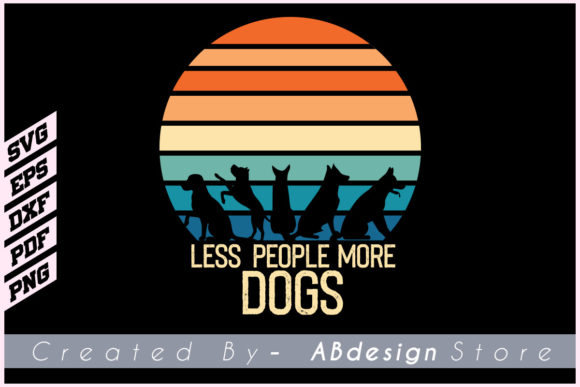
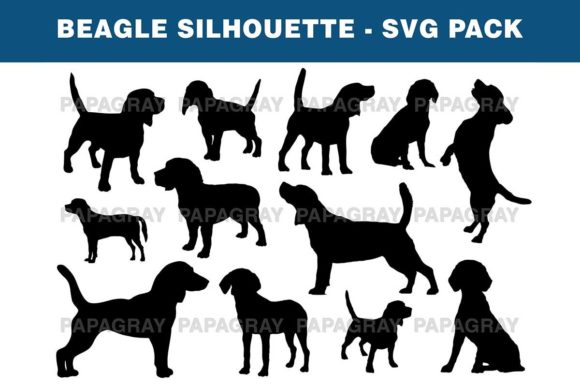
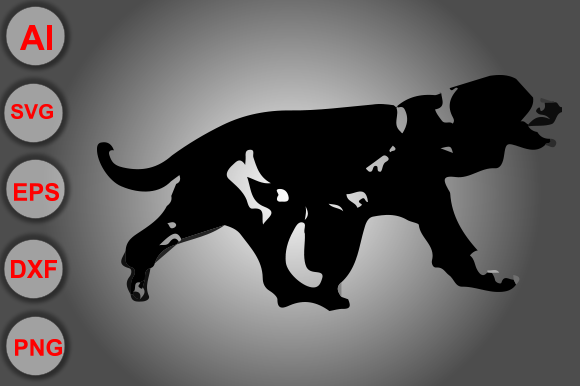
Opening the ZIP folder, you get a solid set of design assets: DXF, SVG, transparent PNG, EPS, and AI files, all at 300 dpi. That is a useful range for anyone working across different software or preparing mockups for clients. The silhouette itself is a single, uncluttered outline of a dog. There is no excessive detail, no tiny internal cuts that could cause trouble during digitizing. The shape has a natural, recognizable stance that feels friendly and neutral. It does not lean too cartoonish or too hyper-realistic, which makes it adaptable for everything from a playful tote bag to a more sentimental personalized gift. For an embroidery designer or a small shop owner, that versatility is valuable because one design can serve multiple product lines without needing heavy editing.
The mood of this silhouette is warm but not overly sentimental. It feels like a design that could appeal to dog owners looking for something subtle and tasteful. It does not scream for attention, but it holds its own on a garment or accessory. That is exactly the kind of presence you want when you are building a product that customers will wear or use regularly. They want something that feels personal without being loud.
Testing the Design in Real Project Scenarios
I imagined this design stitched onto a few different product types to see how it would hold up in actual use. The first scenario that came to mind was a custom embroidered tote bag. A sturdy canvas tote is one of the most popular items for small shop owners and Etsy sellers. The Printable Dog Silhouette, when digitized into a clean satin stitch or a subtle fill stitch, sits beautifully on the front panel of a tote. The outline is simple enough that it does not get lost in the texture of canvas, and the shape reads clearly from a few feet away. That kind of visibility matters when customers are browsing a craft fair or scrolling through an Etsy listing.
I also tested the design mentally on a sweatshirt. Sweatshirt embroidery is a staple for boutique shops and handmade product lines. The silhouette works well centered on the chest or placed slightly off-center for a modern look. Because the design is not extremely dense, it does not weigh down the fabric or cause puckering. That is a big advantage when you are working with mid-weight fleece or cotton blends. I would recommend using a medium-weight stabilizer and testing the stitch density on a scrap swatch first, but the potential is strong.
Another scenario that felt natural was baby embroidery. A small version of this silhouette on a baby onesie or a bib could be very appealing to new parents who want something understated. However, the size matters here. If you shrink the design too much, the outline may lose some clarity, especially if you are using a thick thread. I would suggest keeping the design at least two inches tall for baby items to maintain the shape's integrity. For a baby blanket or a nursery decor piece, you can go larger and let the silhouette become a focal point.
Holiday embroidery also fits this design well. A dog silhouette embroidered onto a kitchen towel or an apron makes a thoughtful gift for the dog lover in your life. You could pair it with a simple text like the dog's name or a short phrase, and the whole piece feels cohesive without being cluttered. The silhouette acts as a strong anchor for additional lettering or decorative elements.
Where This Design Shines: Best Use Cases
Based on my testing, the Printable Dog Silhouette performs best in projects where the goal is clean, recognizable imagery without excessive complexity. Here are the use cases where I see the most potential:
- Custom apparel for dog owners. T-shirts, hoodies, and caps with a single dog silhouette are consistently popular on marketplaces like Etsy. This design gives you a reliable base that you can personalize with names or small details.
- Embroidered patches. Because the silhouette has a simple outline, it digitizes well for patch production. You can use a satin stitch border and a fill stitch interior, and the patch will have a professional finish.
- Tote bags and accessories. Canvas totes, pencil cases, and cosmetic bags all benefit from a design that is bold enough to be seen but subtle enough to look elegant.
- Boutique merchandise. If you run a small shop or a handmade brand, this silhouette can become part of a consistent visual identity. You can scale it, rotate it, or combine it with other elements to create a cohesive product line.
- Printable mockups. Since the files include transparent PNG and vector formats, you can create realistic product mockups for your online store without stitching everything first. That is a time-saver for Etsy sellers and creative entrepreneurs who need to showcase multiple designs.
For commercial embroidery projects, the silhouette is flexible enough to work on both light and dark fabrics, provided you choose the right thread contrast. A white or light gray thread on a dark sweatshirt will pop nicely, while a dark thread on a light tote bag keeps the look refined. I would test both options before committing to a production run.
Areas to Approach with Caution
No design is perfect for every situation, and the Printable Dog Silhouette has a few limitations worth noting. First, because this is a silhouette rather than a detailed illustration, the entire shape relies on the outline and any internal negative space. If you digitize it with a very heavy stitch density, the design may feel stiff on soft fabrics. I recommend keeping the density moderate and using a quality stabilizer to avoid distortion.
Small hoop sizes can be tricky. If you try to fit this design into a 4x4 hoop at a very small scale, the silhouette may lose its definition, especially around the ears or tail. I would test the design at your intended size on scrap fabric before stitching the final product. The same caution applies to curved surfaces like caps. A cap requires a design that can follow the curve without warping the shape. The simple outline of this silhouette makes it more forgiving than a highly detailed design, but you should still hoop carefully and use a cap frame if possible.
For items that need frequent washing, such as kitchen towels or baby clothes, check the thread colorfastness and use a good quality thread. The silhouette itself is sturdy, but any embroidery will wear over time if the stabilizer and thread are not chosen with care. I also advise against using this design on very thin or stretchy fabric without proper backing. The stitching could cause the fabric to pucker or stretch out of shape.
One more point: the files provided are print templates and graphics files. They are not native machine embroidery files. You will need to digitize the vector format into your machine's specific format before you can stitch it. If you are not comfortable with digitizing, you may want to work with a digitizer who can convert the SVG or AI file into a PES, DST, or other format. Always confirm the compatibility with your machine before starting a project.
Practical Notes Before You Digitize or Sell
Before you use this design in any commercial or personal project, there are a few steps I recommend taking. Test the design on scrap fabric first. This is non-negotiable. Even a simple silhouette can behave differently depending on your thread type, needle size, and fabric texture. Stitch a sample, examine the edges, and decide if you need to adjust the stitch density or the outline width.
Check thread color contrast against your fabric. A black silhouette on a black sweatshirt will disappear. A white or metallic thread on the same fabric will stand out. Mock up both light and dark backgrounds using the PNG file to see which combination gives the visual impact you want. The same silhouette can feel completely different depending on the contrast level.
Confirm the hoop size you plan to use. The silhouette will look best when it fills a reasonable portion of the hoop without being crammed into a corner. If you are stitching multiple items in a production run, consistency in placement matters for your brand image. Use the vector file to create a placement guide if needed.
For those planning to sell finished products or digital assets based on this design, check the licensing terms carefully. The product description does not specify license details, so you must verify whether commercial use is allowed and whether you need to credit the original designer. Do not assume that a purchase automatically grants you permission to sell embroidered items or redistribute the files. When in doubt, reach out to the seller directly. Protecting your craft business means respecting the rights of other designers.
If you are an Etsy seller or a small shop owner, consider using the transparent PNG or SVG to create printable mockups for your listings. This lets you show customers how the final product will look without stitching every variation. That is a smart way to test demand before investing time and materials into a full production run.
How This Design Affects Product Value and Customer Trust
In the handmade and custom apparel market, the quality of your embroidery directly affects how customers perceive your brand. A clean, well-digitized silhouette like this one can elevate a simple tote bag into a gift-worthy item. Customers notice when a design is crisp and sits evenly on the fabric. They also notice when a design is puckered, poorly placed, or hard to read. The Printable Dog Silhouette gives you a strong foundation to create a finished product that feels intentional and professional.
For personalized gifts, the silhouette adds a layer of meaning without overwhelming the item. A dog owner receiving a custom embroidered pillow or apron with their dog's silhouette will feel a personal connection to the product. That emotional value translates into positive reviews, repeat customers, and word-of-mouth referrals. As a designer, I always look for designs that can carry that kind of weight without needing extra embellishment.
Consistency across your product line also builds trust. If you use this silhouette as a recurring element in your shop—on apparel, accessories, and home goods—customers will recognize your brand style. The silhouette's neutral but warm personality makes it a good candidate for that kind of cohesive branding.
Final Verdict for Embroidery Designers and Shop Owners
The Printable Dog Silhouette is a practical, versatile design asset that fits well into a variety of embroidery projects. It is not overly complex, which is actually its strength. It gives you room to personalize, rescale, and combine it with other elements without fighting against the design itself. The file formats are standard and useful for both mockup creation and digitizing. As long as you test your stitch settings, choose appropriate fabric and stabilizer, and confirm the licensing, this design can become a reliable part of your craft business toolkit.
If you are looking for a dog silhouette that balances simplicity with visual appeal, and you are willing to put in the upfront testing to get the digitizing right, I would recommend giving this one a try. It has real potential for custom apparel, handmade gifts, and boutique merchandise. Just remember that the magic happens in the preparation, not just in the download. Treat this design as a starting point, and your finished products will reflect the care you put into the process.