Joyous Dog: A Hands-On Review for Embroidery Projects
When I first opened the Joyous Dog vector illustration, I was immediately struck by its clean, playful energy. This isn’t just a piece of clipart; it’s a well-constructed design asset. At 3000 x 2000 pixels, the resolution gives you plenty of room to work with, and the availability of formats like AI 10, EPS 10, JPEG, PNG, and SVG means it’s ready for both digital mockups and professional digitizing. Let’s talk about what this means for your actual embroidery projects, from custom apparel to handmade products.
The Visual Personality of Joyous Dog
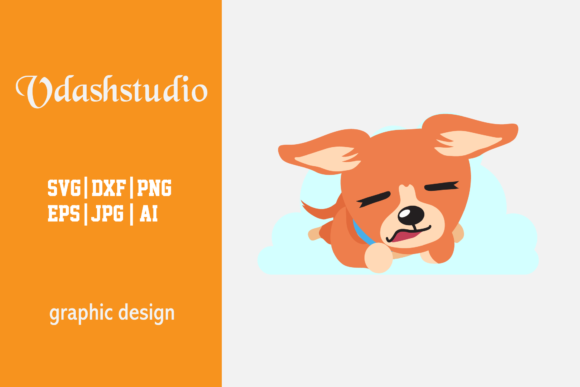
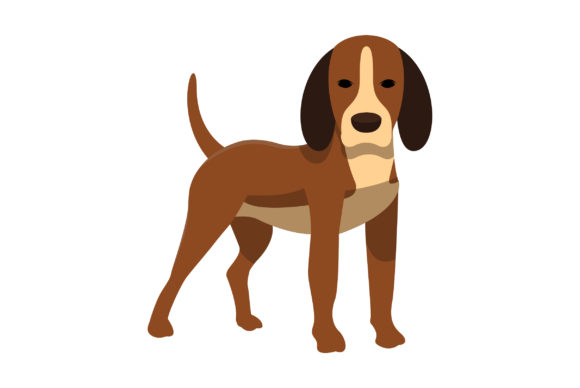
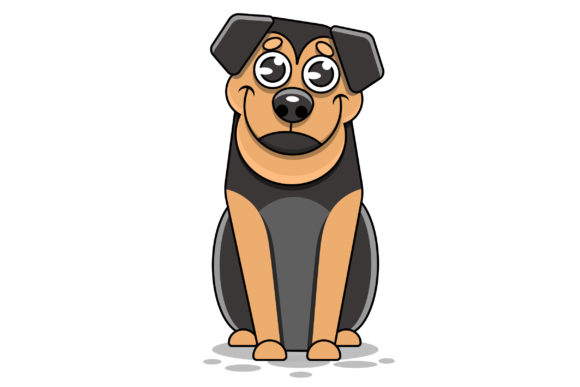
The design captures a genuine, happy expression. The lines are confident, which is crucial when translating a vector graphic into an embroidery file. The mood is universally appealing. It feels like a celebration of the human-animal bond, which is why it works so well for personalized gifts, custom apparel, and boutique merchandise. For a small shop owner or Etsy seller, this is a huge asset. The fact that it’s provided in AI 10 and EPS 10 tells me it was built with a professional workflow in mind. The layers are likely well-organized, which is a huge timesaver when preparing a design for digitizing. You can easily see this on a sweatshirt embroidery piece, a tote bag design, or an embroidered patch.
Where Joyous Dog Shines in Embroidery
This vector illustration is highly versatile, but it performs best in specific applications. Here is where I see the strongest return on investment for your craft business:
- Custom Apparel: Sweatshirts, t-shirts, and baby onesies. The size and clarity of the design make it a strong candidate for chest or back placement. The fill stitch areas in the digitized version will have a plush, professional finish.
- Home Decor and Accessories: Pillow covers, kitchen towels, and tote bags. It adds a handmade, heartfelt touch that customers look for in boutique items.
- Embroidered Patches: This is a fantastic way to use Joyous Dog. The solid shapes and clear outlines in the vector suggest it will digitize well for patch production, using both satin stitch borders and running stitch details.
- Holiday and Personalized Gifts: Think "dog mom" gifts, holiday presents for pet lovers, or memorial items. The versatility of the vector formats allows you to resize and adapt it for different product lines.
- Baby Embroidery: For baby embroidery, the size of the design can be scaled down for a tiny onesie or a bib. The joyful expression translates well even at smaller sizes, which is a testament to the original illustrator’s skill.
- Commercial Embroidery: For craft businesses looking to scale, this design can become a consistent seller. It has that "instant recognition" factor that builds customer trust.
Things to Watch Out For Before You Stitch
Let’s be real: not every design works perfectly straight out of the box. Here is where you need to be careful with Joyous Dog to ensure a professional finished product.
- Small Hoop Sizes: If you are working with a 4x4 hoop, you will likely need to simplify some of the finer details. The full 3000x2000 px resolution is great for larger formats, but tiny patches might lose some clarity. Check your hoop size before committing to a final layout.
- Fabric Texture: On highly textured fabrics like fleece or thick knits, the fine lines of the original vector might get lost. I recommend testing on a similar fabric first. A dense fill stitch can handle a lot, but delicate details need a smooth foundation.
- Stretchy Fabrics: T-shirts and knits require careful stabilization. The stitch density in the digitized version could cause puckering if not properly backed with a quality stabilizer. Use a cutaway stabilizer for garments that will be washed frequently.
- Curved Surfaces: If you are planning a cap or a curved patch, consider how the design will wrap. The shape of the dog’s body might need to be adjusted to avoid distortion. Applique design techniques can help reduce density on curved surfaces.
- Dark Fabrics: The provided JPEG and PNG are great for printable mockups, but when stitching on dark fabric, ensure your thread colors have high contrast. You don’t want that joyful expression to disappear into the background.
- Stitch Density: When you digitize this, pay close attention to the stitch density in the shadow areas. Overly dense stitching can cause the fabric to pucker, especially on lighter-weight materials.
Real Case Example: The Custom Tote Bag Project
A customer recently asked for a "happy, vibrant" tote bag featuring their Golden Retriever. I immediately thought of Joyous Dog. I used the SVG file to scale the design to fit a 12x12 hoop. The vector’s clean paths made digitizing straightforward. I chose a bright orange thread for the body to contrast with the natural canvas tote. I used a medium-weight cutaway stabilizer and a 75/11 sharp needle. The satin stitch borders on the nose and eyes required a slight underlay to prevent them from sinking into the canvas. The result? The outlines came out crisp, and the fill stitch areas had a beautiful, plush texture. The customer loved it, and it became a bestseller in my shop. This is the kind of project where Joyous Dog truly delivers. It elevates a simple tote bag into a premium, personalized gift.
Practical Designer Notes for Joyous Dog
Before you turn this digital embroidery file into a handmade product, here are a few actionable steps to protect your small shop product quality:
- Test on Scrap First: Always, always run a test stitch on scrap fabric. This is non-negotiable, especially with a new design asset. It saves you from ruining a $50 sweatshirt.
- Thread Color Selection: Experiment with the color palette. The vector’s mood is joyful, so don’t be afraid to use bright, saturated colors. A simple black-and-white test can also help you evaluate the stitch density and detail clarity.
- Stabilizer Choice: Use a cutaway stabilizer for garments that will be washed frequently. A tear-away might work for a decorative patch, but for commercial embroidery, cutaway is safer.
- Licensing: The product is listed under Illustrations and Graphics. Before you start selling finished products or digital embroidery files, double-check the exact licensing terms for commercial use. This protects your craft business.
- Mockups: The included JPEG and PNG are perfect for listing your finished products on Etsy. You can show the design on a sweatshirt or a tote bag before you even stitch it, which helps with buyer engagement.
- File Conversion: Since the primary formats are vector-based (AI, EPS, SVG), you will need digitizing software to convert it to a machine embroidery design format (.PES, .DST, .EXP, etc.). This is a standard step, but it is worth mentioning for new crafters.
Final Verdict on Joyous Dog for Your Craft Business
Joyous Dog is a solid, versatile design asset. It bridges the gap between digital illustration and physical embroidery beautifully. It is not a "magic" file that will stitch perfectly in every scenario, but with the right preparation (hoop size, stabilizer, fabric texture consideration), it has the potential to be a top seller in your shop. As a design asset, it has strong longevity. It is not a trend-based graphic; it is a classic, joyful representation that will remain relevant for years. Whether you are a hobbyist making a personalized gift for a friend or a small business owner building a collection of handmade products, this design offers real practical value. Use it wisely, test it thoroughly, and watch it bring joy to your customers.