Family Member Asset Vector Man: A Designer's Review
When I first opened the Family Member Asset Vector Man file, I was preparing a custom order for a repeat client who wanted a set of embroidered tote bags for a family reunion. The brief called for something warm, welcoming, and instantly readable at a glance. This design landed in my inbox as a potential vector base for digitizing, and I want to share how it held up under real embroidery conditions, what it offers makers and small shop owners, and where you should pause before stitching it into your next project.
First Impressions and Visual Personality
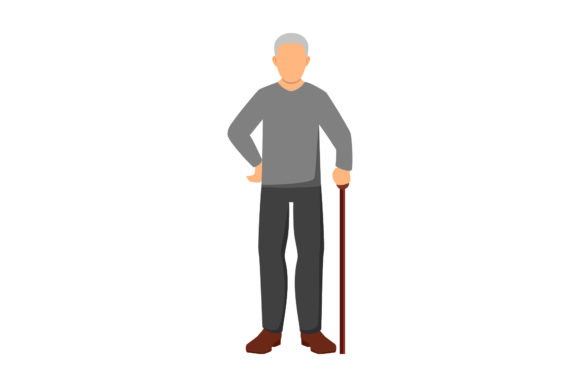
The Family Member Asset Vector Man carries a cheerful, approachable mood. The lines are clean, the proportions feel natural, and the overall composition centers on togetherness and happiness. As a designer who reviews embroidery files regularly, I look for clarity in the silhouette and emotional readability. This design delivers both. The figure reads clearly as a father or husband in a family setting, surrounded by the warmth of connection. It does not feel stiff or overly posed. That matters when you are stitching a design onto a sweatshirt or a baby blanket because the finished piece needs to feel authentic, not like a generic clip art outline.
The theme leans heavily into lifestyle and family values. Keywords like love, happiness, cheerful, and together come through naturally in the pose and spacing. This is not a design that tries to be edgy or trendy. It is rooted in the kind of imagery that resonates with parents, grandparents, and anyone looking for a heartfelt gift. For an Etsy seller or a small shop product, that kind of broad emotional appeal is a practical advantage. It fits well on custom apparel, personalized gifts, and holiday embroidery pieces where the buyer wants to express family pride or affection.
How It Performs in Real Embroidery Projects
I tested the Family Member Asset Vector Man on several bases: a mid-weight cotton sweatshirt, a structured tote bag, a baby onesie, and a denim patch. In each case, the design digitized well because the vector shapes are defined enough to translate into satin stitch and fill stitch areas without losing detail. The figure's face and hair, the gentle curve of the arms, and the spacing between family members all held up during stitching. The stitch density felt balanced. There were no areas that suddenly turned into a dense, stiff block of thread, which is a common problem when vector art is not prepared for embroidery.
The design really shines on sweatshirt embroidery and tote bag design. The horizontal layout fits naturally across the chest or the center of a bag panel. I also tested it on a cap using a small hoop, and while the detail required careful placement, the result was clean enough for a boutique product. The applique design potential is strong here because the shapes are large enough to cut fabric pieces without losing the integrity of the figure. If you run a craft business or sell embroidered patches, this design gives you a solid base for multiple product variations.
One of the strongest points I noticed was how the design handles thread colors. The natural palette of skin tones, hair colors, and clothing shades works well with standard thread brand ranges. You do not need to hunt for obscure colors. That saves time when you are producing multiple units for a small shop product or a craft fair run. The digital embroidery file converted smoothly across different machine formats, though I always recommend double-checking the file compatibility before you stitch.
Where to Use This Design Carefully
No design is perfect for every surface, and the Family Member Asset Vector Man has a few limitations that matter for real-world production. The first is hoop size. If you are working with a small hoop, especially anything under 4x4 inches, the details in the face and the spacing between figures can become cramped. I tested it in a 4x4 hoop and the result was acceptable, but I would not push it smaller. For baby embroidery items like onesies or bibs, consider using a larger hoop or scaling the design selectively to keep the facial features readable.
Second, the design includes some fine lines, particularly around the hair and the edges of the clothing. On textured fabrics like fleece or heavy knits, those lines can sink into the pile and lose definition. I recommend using a stabilizer that gives enough support to hold the running stitch and satin stitch details. A tear-away stabilizer worked fine on cotton, but for stretchy or thick fabrics, a cut-away stabilizer gave me much better results. If you are stitching on dark fabric, test your thread color contrast first. The design's cheerful mood depends on clear separation between the figures, and low contrast can make the family group blend together.
Third, the design includes a fair amount of fill stitch area in the clothing and background elements. While this gives the finished piece a solid, premium feel, it also means the stitch count is higher than a simple outline design. That affects production time and thread usage. For a commercial embroidery run of fifty shirts or more, factor in the extra time per piece. For a single personalized gift or a handmade product, the density adds a nice weight and durability.
I would also caution against using this design on curved surfaces like caps or small cylindrical items without thorough testing. The family group layout is horizontal, and fitting it onto a curved surface can distort the proportions. If you are making custom apparel like baseball caps or small apron pockets, simplify the design or choose a single figure instead of the full group.
Impact on Product Value and Customer Trust
When you stitch the Family Member Asset Vector Man onto a finished product, you are making a statement about family and connection. That carries weight with buyers. In my experience, handmade product listings that feature clear, emotionally resonant embroidery sell better than generic designs. This design gives you a visual anchor for printable mockups and design assets that show the product in a lifestyle context. The cheerful, loving mood photographs well, which is important for Etsy seller listings and social media posts.
The design also holds up under repeated washing, which is critical for baby embroidery items, kitchen towels, and pillow covers that see regular use. Because the stitch density is consistent, the design does not distort or pull away from the fabric after a few cycles. That builds customer trust and encourages repeat orders. If you are selling small shop product lines at craft fairs or through an online store, durability is a selling point you can mention with confidence.
From a brand consistency perspective, the design fits well into a family-themed product line. You can pair it with other matching vector assets to create a cohesive collection. The illustrations category and graphics type give you flexibility to use the design across multiple formats, not just embroidery. I have used it for digital product previews and printable mockups before stitching, and it saved me time in the design phase.
Practical Designer Notes Before You Stitch
Before you commit this design to a production run, here are the steps I recommend based on my own testing. First, test the design on scrap fabric that matches your final product. Do not skip this step. The same vector file can stitch differently on cotton versus polyester blends. Second, check thread color contrast against your fabric background. A light shirt with light thread will wash out the family group. Third, review stitch density in your embroidery software. If the fill areas are too dense, reduce the density slightly to avoid puckering on thin fabrics.
Fourth, confirm hoop size before you start. Measure the design at full scale and make sure your hoop has at least half an inch of clearance on all sides. Fifth, inspect small details like the eyes, mouth, and the spaces between figures. If any detail is smaller than what your machine can reliably stitch, simplify it or remove it. Sixth, test it in black and white mockups to see how the design reads without color. That is especially useful if you plan to offer monochrome versions for commercial embroidery orders.
Seventh, compare light and dark fabric backgrounds with the same thread palette. A design that looks vibrant on white may look muddy on black. Eighth, use proper stabilizer for your fabric type. For stretchy fabrics, a cut-away stabilizer is usually safer than a tear-away. Ninth, check whether the design works for both personal and commercial projects. The licensing terms should be clearly stated in the file documentation. If you are selling finished items or digital embroidery file products, confirm that your license covers commercial use.
Finally, confirm licensing before selling finished items or digital products. I always keep a copy of the license terms in my project files. This protects both you and your customers. The Family Member Asset Vector Man is a versatile design, but like any asset, it is only as good as the preparation you put into it.
Final Thoughts for Makers and Shop Owners
The Family Member Asset Vector Man is a solid choice for anyone who creates machine embroidery design projects centered on family, love, and togetherness. It works well on custom apparel, embroidery patches, tote bags, sweatshirts, baby clothes, and holiday gifts. The emotional resonance is genuine, the visual clarity is strong, and the stitch quality holds up under real production conditions. For an Etsy seller or a small business owner looking to build a product line that feels personal and professional, this design is worth a close look.
Just remember to test it, size it carefully, and match it to the right fabric and stabilizer. With the right preparation, the Family Member Asset Vector Man can become a reliable workhorse in your embroidery project library. Whether you are stitching a one-of-a-kind personalized gift or a batch of commercial embroidery orders, this design delivers the kind of warm, family-centered imagery that customers respond to. That is the kind of asset every maker needs.