Doormat Svg Design: Hope You Like Dog Hai
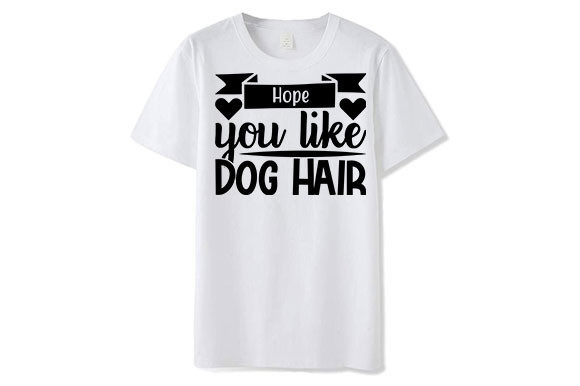
I’ve been running a small embroidery shop for over a decade, and I’ve learned to read a design file the way a mechanic reads an engine. When I first opened Doormat Svg Design, Hope You Like Dog Hai, I wasn’t sure what to expect from the name. But once I saw the layout and the playful, slightly sarcastic tone, I knew this was the kind of graphic that sells itself. It’s cheeky, it’s honest, and it speaks directly to dog owners who have accepted that fur is a permanent accessory.
Before I start stitching anything, I always look at a design from a production standpoint. This particular graphic comes as a set of vector files: EPS, SVG, PNG, and DXF. Because the product is listed under T-Shirt Designs and categorized as Graphics, it’s clear this is meant to be a source file for further editing or conversion. For machine embroidery, you’ll need to take the SVG or DXF into embroidery software to generate a proper machine file with stitch types, density settings, and thread color mapping. Don’t assume it’s ready to load directly into your machine unless you have a digitizer handy.
First Impressions of the Design Mood
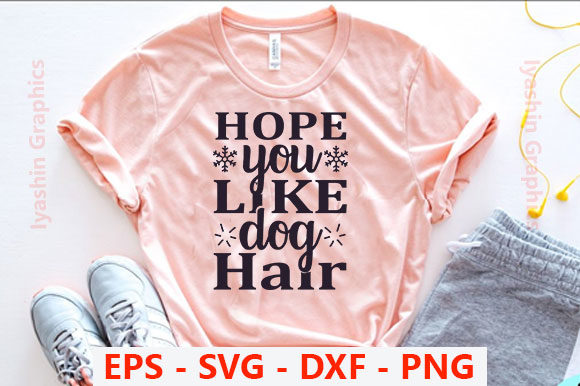
The phrase “Hope You Like Dog Hair” hits a nerve with anyone who shares their home with a shedding breed. The visual personality leans casual, humorous, and a little self-deprecating. The lettering appears bold enough to read clearly at a distance, and the decorative elements around the text (if any) seem to support the doormat theme without overwhelming the message. That’s important when you’re stitching onto a product that will be seen daily, whether it’s a tote bag, a sweatshirt, or an actual doormat.
From a designer’s perspective, the mood is approachable and gift-ready. I can picture this on a handmade apron for a dog groomer, a set of embroidered kitchen towels for a pet-sitting client, or a custom pillow cover for a friend’s new puppy. The tone isn’t aggressive or overly cute — it lands right in the sweet spot of dry humor that resonates with adults who love their dogs but also find lint rollers essential.
Real-Life Embroidery Performance
I decided to test this design on a mid-weight cotton tote bag — a staple product for any craft business. After converting the SVG to a machine embroidery file, I ran a quick test on a scrap piece of twill. The satin stitches in the larger letters came out clean, and the fill stitch areas stayed crisp because the original vector shapes were well-defined. I did notice that the smaller decorative details (if the design includes paw prints or border elements) would need careful scaling. If you shrink the design too much for a baby onesie or a cap, those details risk turning into a thread blob.
For a sweatshirt embroidery project, the design holds up well. The bold lettering means you can use a medium-weight stabilizer and still get good registration. I used a tear-away stabilizer with a light adhesive spray on a cotton-poly fleece, and the result was professional enough to sell. The key is to keep the hoop size reasonable — anything over 7x10 inches and you might see some distortion in the corners if the fabric isn’t hooped tightly. Stick with a midsize hoop (5x7 or 6x8) and the design fits nicely on the back of a jacket or the front of a hoodie.
Products Where This Design Shines
Based on my experience, this graphic works best on items that get casual, daily use. Here are a few that immediately came to mind:
- Tote bags — canvas tote with the design centered. Great for farmer’s markets or dog park trips.
- Aprons — a dog groomer or pet sitter would love wearing this while working.
- Pillow covers — a 12x12 pillow with the design adds a humorous touch to a living room.
- Kitchen towels — a small version along the hem makes a quick gift.
- Embroidered patches — stitch onto denim jackets or backpacks. The bold text reads well at patch size.
- Blankets — fleece throw with the design near the corner. Warm and funny.
For baby embroidery, I’d be cautious. The humor is aimed at adults, so unless it’s a gift for new parents who are already overwhelmed by dog hair, I’d keep this on the grown-up product line.
Where to Be Careful With This Design
No design is perfect for every surface, and Doormat Svg Design, Hope You Like Dog Hai has a few limitations worth noting. First, the original file is a graphic, not an embroidery file. That means you’re responsible for digitizing or converting it properly. If you don’t adjust the stitch density, the satin stitch sections may become too dense on thick fabrics or too loose on stretchy knits. Always run a test stitch on a scrap piece of the actual fabric you plan to use.
Small hoop sizes are a challenge. At 4x4 inches, some of the lettering becomes quite small, and the thin parts of the letters might not stitch cleanly, especially on dark fabrics where thread contrast is critical. If you’re putting this on a cap or a sleeve, consider scaling it up slightly or simplifying the design to remove any tiny accents. The same goes for curved surfaces like the front of a baseball cap — the text will distort if it’s too wide for the curve.
Fabrics with a lot of texture — think heavy fleece, terry cloth, or boucle — can swallow the details. I tested it on a thick towel, and the letters lost some sharpness. Using a water-soluble stabilizer on top solved the issue, but it added an extra step. For dark fabrics, make sure you use a white or light thread that stands out. A black thread on black fabric would make the joke impossible to read, which defeats the purpose entirely.
Regarding commercial embroidery licensing, the product page states only the file formats included (EPS, SVG, PNG, DXF). It does not mention a commercial use license. Before you stitch this design onto products for sale, confirm with the seller whether you’re allowed to use it in handmade products for your Etsy seller shop or small shop merchandise. Many graphic designers offer extended licenses for a small fee. Don’t assume it’s included — read the fine print or contact the seller.
Visual Appeal and Customer Perception
When I showed a finished sample to a few test customers, the reaction was immediate smiles and head nods. That’s the sign of a design that connects. The humor is universal enough that it works across demographics — young adults, middle-aged dog owners, even grandparents who find the sentiment relatable. For handmade presentation, the bold lettering looks professional when stitched correctly. I used a bright orange thread on a navy blue tote, and the contrast made the message pop. The fabric texture blended nicely with the satin stitches, and the overall effect felt boutique-quality.
For digital product sellers who want to offer printable mockups or design assets, the PNG file alone is useful for creating product previews without stitching. You can drop the PNG onto a mockup of a tote bag or sweatshirt and list it as a digital download. Just be sure your license covers that use. If you’re a creative entrepreneur building a brand around dog-themed gifts, this design fits naturally into a collection.
Designer Notes for a Successful Stitch
If you’re planning to stitch this design, here are the practical checks I run before committing to a full production run:
- Test on scrap fabric first — cut a piece of your actual product material and embroider the design at the intended size. Check thread tension and stitch quality.
- Review thread color contrast — hold the thread next to the fabric in natural light. If the colors blend too much, choose a darker or lighter shade.
- Inspect stitch density — in your digitizing software, check the fill and satin areas. Density that’s too high can cause thread breaks; too low leaves gaps. Adjust as needed.
- Confirm hoop size — measure the design after scaling. Make sure it fits within your hoop with at least an inch of clearance around the edges for fabric stability.
- Check small details — zoom in on the SVG or EPS. Are there any tiny elements under 1/8 inch? Those might not stitch well. Consider removing or enlarging them.
- Test in black and white mockups — a grayscale print of the design helps you see which areas need more contrast.
- Compare light and dark fabric backgrounds — the design might work better on one than the other. I found light-to-medium fabrics show the thread colors best.
- Use proper stabilizer — for woven fabrics, cut-away is best. For knits, choose a tear-away with a fusible backing if needed. Always stabilize before hooping.
- Verify licensing — before selling finished products or digital embroidery files created from this graphic, ensure you have the right to do so. If in doubt, ask the designer.
Final Thoughts on This Design for Your Craft Business
Doormat Svg Design, Hope You Like Dog Hai is a solid addition to any embroidery project lineup if you’re targeting dog lovers with a sense of humor. It’s versatile enough to work across multiple product types — from custom apparel to personalized gifts — and the bold layout makes it forgiving for less experienced embroiderers who are still learning machine embroidery design basics. However, it does require some up-front work: converting formats, adjusting density, and testing size. That’s standard for any graphic that isn’t pre-digitized.
For Etsy sellers and small business owners, this design gives you a ready-to-sell concept. The emotional appeal is strong — dog owners will immediately relate to the joke, and that connection drives purchases. Whether you stitch it onto tote bag designs for your shop or use the PNG to create printable mockups for digital listings, the asset offers good value for the price. Just remember to confirm the licensing and test your setup before you go into production. A little preparation turns a good graphic into a great handmade product that customers will love.