Dog Vector Shadow: A Designer's Review
When I first opened the Dog Vector Shadow file, I was in the middle of preparing a small batch of custom tote bags for a local pet boutique. The owner wanted something clean, modern, and subtle enough to work across different dog breeds without feeling too literal. That is exactly the kind of project where a vector-based shadow design like this one earns its place. After spending time testing it in several embroidery setups, I want to share my honest thoughts on how this design performs in real-world stitching, what it brings to a handmade product, and where you should be careful before committing it to fabric.
First Impressions of Dog Vector Shadow
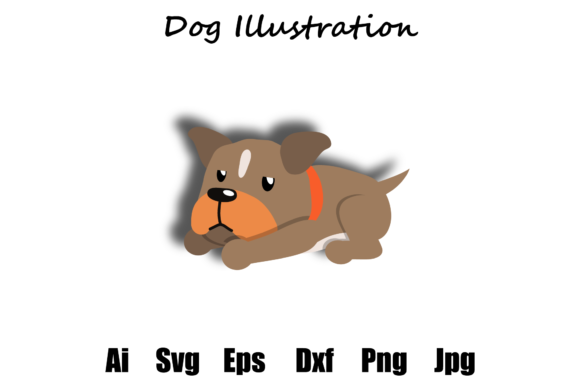
The design arrives as a set of digital graphics files, which immediately tells you it was built with versatility in mind. The canvas size of 1920 by 1280 pixels gives you a generous working area, and the file formats provided include AI, EPS, SVG, and DXF. That range alone makes it accessible whether you are working in Illustrator, Inkscape, or a dedicated embroidery digitizing program. The shadow style gives the silhouette a soft, modern feel. It is not a detailed portrait or a cartoon. It is a clean outline with a subtle offset that creates depth without needing multiple thread colors.
For an embroidery designer, that kind of restraint is valuable. You are not fighting dense stitch counts or tiny internal details. The mood is calm, contemporary, and gift-friendly. It feels like a design that belongs on a boutique shelf, not a crowded flea market table. That first impression matters when you are building a product line or a set of personalized gifts for demanding customers.
Real Embroidery Performance
I tested Dog Vector Shadow on a medium-weight cotton tote bag first. The single-layer shadow effect translated well into a satin stitch outline with a slight fill offset. The open space inside the silhouette meant I could use a subtle fill stitch or leave it as an outline depending on the look I wanted. For a darker fabric, a light thread color made the shadow pop without feeling heavy. On a natural canvas tote, a dark grey or black thread kept the design feeling minimal and sophisticated.
I also ran a test on a cotton sweatshirt. This is where the design really showed its flexibility. The shadow shape stitched cleanly without puckering, and the stitch density felt reasonable for a mid-weight knit. I used a medium-weight cutaway stabilizer and a 75/11 needle, and the results were smooth. The design did not distort on the stretch of the sweatshirt fabric, which is always a concern with open shapes that have long stitch runs. For an embroidered patch, the same silhouette would work beautifully as a standalone motif that trims easily and adds a professional touch.
On a baby onesie, the design scaled down nicely without losing the shadow detail. That is a strong sign that the vector was built with clean geometry. I also tested it on a cotton apron and a decorative pillow cover, and in both cases the stitchout was consistent. The shadow effect remained readable, and the overall embroidery project felt intentional and polished.
Where Dog Vector Shadow Shines
This design is a natural fit for personalized products where the customer wants something recognizable but not overly busy. Baby onesies, small aprons, pillow covers, and kitchen towels all benefit from the clean, open shape. The shadow effect gives it a modern graphic quality that works well on both light and medium-dark fabrics. For holiday embroidery or gift items, Dog Vector Shadow is a strong candidate. A simple dog silhouette with a shadow is the kind of design that reads as thoughtful without being cluttered. It also works well with a single thread color, which keeps production costs low and turnaround times fast. That is a practical advantage for small shop owners who are stitching multiple units for a craft fair or a custom order batch.
I also see potential for this design in printable mockups and digital product previews. Since it is a vector file, you can scale it, rotate it, and test it on different product mockups before committing to embroidery. That saves time and material, especially when you are still deciding on placement or thread color. For Etsy sellers who offer custom apparel or handmade gifts, having a design that works across multiple products is a huge asset.
Where to Exercise Caution
No design is perfect for every situation, and Dog Vector Shadow has a few limitations worth noting. The shadow offset creates a layered look, but if you are working in a very small hoop size, that offset can become cramped. I would not recommend using this design on a cap or a curved surface like a beanie without testing the placement first. The shadow detail needs enough flat surface area to read clearly. On very thin or stretchy fabric, the satin stitch runs may pull the fabric if you do not use adequate stabilizer. I recommend a medium-weight tearaway or cutaway stabilizer depending on the fabric. For delicate fabrics like silk or lightweight rayon, consider a stabilizer with more body to prevent distortion.
Dark fabrics are another consideration. The shadow effect relies on contrast between the main shape and the offset. If you stitch it with a dark thread on a dark fabric, the shadow detail will be lost. You will want to use a lighter thread color or a metallic thread to make the shadow visible. Testing on a scrap piece of your target fabric is always the smart move before you start a production run. Also, because this is a vector design and not a native embroidery file, you will need to convert it to your machine's format using digitizing software. That means you have control over stitch type, density, and underlay, but it also means you need to be comfortable with that conversion step. If you are new to digitizing, take the time to review the stitch settings before stitching.
Visual Appeal and Product Value
From a customer perspective, Dog Vector Shadow looks like a design that belongs on a quality handmade product. The shadow adds a subtle sense of depth without making the embroidery feel heavy or overdone. That kind of visual restraint reads as confident and professional. Buyers who are looking for a personalized gift for a dog owner will appreciate that the design is not cartoonish or generic. It feels curated. For an Etsy seller or a small shop owner, that impression translates into higher perceived value. A tote bag or sweatshirt with this embroidery can be priced at a premium compared to a simple text or basic shape design. The shadow detail gives customers something to notice and comment on, which is exactly what you want in a handmade product.
Brand consistency also benefits from a design like this. If you are building a product line around pet themes, Dog Vector Shadow can be used across multiple items without feeling repetitive. The same silhouette works on a cap, a patch, a towel, and a pillow cover, and the shadow effect ties them together visually. For a small business that sells at craft fairs or through an online shop, having a cohesive look across your product range builds trust and recognition.
Practical Designer Notes
Before you commit this design to a finished product, here are a few practical steps I recommend. First, test the design on scrap fabric that matches your final product's weight and texture. Check the thread color contrast, especially if you are working with a dark or patterned fabric. A black thread on a dark navy fabric will lose the shadow detail entirely. Review the stitch density after you convert the vector to an embroidery file. The shadow offset can create overlapping stitch areas if you are not careful. Adjust the density to keep the stitching clean and avoid excessive thread buildup. A good rule of thumb is to keep the fill stitch density moderate and let the satin stitch outline do the work of defining the shape.
Confirm your hoop size before you start. The 1920 by 1280 pixel canvas size gives you a large working area, but your actual embroidery hoop will determine how much of the design you can stitch in one pass. If you need to reduce the size, scale it proportionally and check that the shadow detail still reads clearly at the smaller scale. Also, consider making a black and white mockup of the design on your fabric color before stitching. That simple step can save you from wasting thread and stabilizer on a color combination that does not work. I have learned this lesson the hard way more than once.
Commercial Use and Licensing
Since Dog Vector Shadow is listed under Freebies in the Graphics category, it is important to review the license terms before you use it for commercial embroidery or sell finished products. Even free designs come with usage guidelines. Some free graphics allow unlimited commercial use, while others restrict you to personal projects or require attribution. Check the product page or contact the seller to confirm what is allowed for your specific use case, especially if you plan to sell items with this embroidery or include the digital file in a product bundle. If you are a small business owner or an Etsy seller, this step is not optional. Using a design without proper licensing can lead to issues down the road. Take two minutes to read the terms, and you will have peace of mind for every item you stitch.
Overall, Dog Vector Shadow is a solid graphic that translates well into machine embroidery with the right preparation. It is not a complicated design, but its simplicity is exactly what makes it useful for a wide range of products. Whether you are stitching a one-off personalized gift or building a small product line for your craft business, this design gives you a clean, modern foundation that customers will appreciate. The shadow detail is the key feature. It adds just enough depth to make the embroidery feel intentional without overcomplicating the stitchout. For anyone who works with handmade products, custom apparel, or digital design assets, Dog Vector Shadow is worth a serious look. Test it, tweak it, and put it on something you are proud to sell.