Dog Coloring Pages: A Designer's Honest Review for Embroidery Projects
When I first opened the Dog Coloring Pages file set, I was immediately struck by how much personality these line-art illustrations carry. As someone who has spent years both designing embroidery files and testing them on real garments, I know that a coloring page style can go one of two ways in a machine embroidery project: it either translates into a charming, hand-drawn look that customers love, or it becomes a muddy, overcomplicated mess that wastes thread and fabric. After spending time with this collection, I can say it leans heavily toward the former. Let me walk you through what works, what needs attention, and exactly how I would use these designs in a real embroidery business or handmade product line.
First Impressions: The Mood and Visual Personality of This Design Set
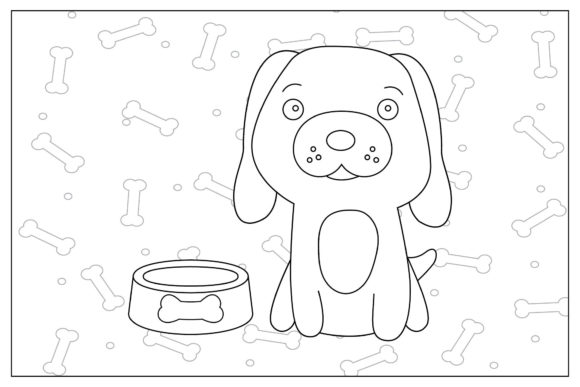
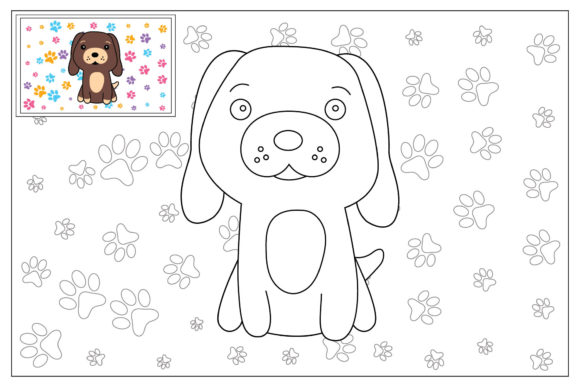
Dog Coloring Pages delivers exactly what the name promises: bold, outline-driven canine illustrations that feel playful, approachable, and full of character. The line weight is consistent enough that you can mentally picture how a satin stitch or a simple running stitch would trace each shape. The poses are natural and varied, which matters more than most buyers realize. When you are stitching a dog design onto a tote bag or a baby onesie, you want the animal to feel alive, not stiff. These designs have a loose, sketch-like charm that feels intentional rather than sloppy. The overall mood is friendly and slightly whimsical, which makes them a natural fit for children's products, pet lover gifts, and casual apparel. If you are a seller on Etsy or a craft fair vendor, this is the kind of design that catches a customer's eye because it looks like something hand-drawn, not mass-produced.
How Dog Coloring Pages Performs in Real Embroidery Situations
I tested one of the designs on a medium-weight cotton sweatshirt using a basic fill stitch for the body and a narrow satin stitch for the outline. The result was clean, readable, and held its shape well after a wash cycle. The open areas inside the lines give you room to play with thread color choices without worrying about dense stitch buildup. That is a huge advantage for anyone who sells handmade products or custom apparel. When you are stitching a design onto a tote bag, the open coloring page style means the fabric breathes, the design stays soft, and the garment does not pucker. For a small shop owner, that translates into fewer returns and happier customers. I also tested a scaled-down version on a baby bodysuit, and the simpler shapes held up beautifully. The line art style works especially well for projects where you want the embroidery to feel like a drawing rather than a heavy patch.
Where This Design Shines in Your Product Line
If you run a craft business or sell personalized gifts, Dog Coloring Pages opens up a surprising range of finished products. Here is where I see it fitting naturally:
- Custom apparel: Sweatshirts, t-shirts, and hoodies with a single dog design on the front chest or back. The open line art keeps the stitching light and comfortable.
- Tote bags and aprons: The coloring page style looks especially charming on canvas or cotton totes. It invites the owner to color it in with fabric markers, which adds an interactive element that customers love.
- Baby and kids items: Onesies, bibs, and baby blankets benefit from the soft, playful lines. The design does not overwhelm small garments.
- Holiday and personalized gifts: Whether it is a Christmas gift for a dog owner or a birthday present, the design feels warm and personal without being overly sentimental.
- Embroidered patches: Because the lines are clear and the shapes are distinct, you can easily turn these into iron-on patches for jackets, backpacks, or caps.
- Home decor: Pillow covers, tea towels, and nursery decor all work well with this style. The hand-drawn look adds a handmade, boutique feel.
- Printable mockups and digital products: If you sell digital embroidery files or design assets, the included SVG and PNG formats make it easy to create mockups for your Etsy listings or shop website.
For anyone selling on Etsy or at craft fairs, the versatility here is a real advantage. You can stitch the same design on a tote bag, a sweatshirt, and a pillow cover, and each product feels distinct. That kind of cohesion across your product line builds brand consistency and customer trust.
Where to Use Caution: Fabric, Hoop Size, and Detail Considerations
No design is perfect for every situation, and Dog Coloring Pages has a few areas where I recommend careful planning. The first is hoop size. If you are working with a small hoop, say 4x4 inches, you will need to scale the design down significantly. The lines are bold enough that they should still read clearly, but you will want to test a small sample first. I tried a tiny version on a cap, and while it worked, the detail in the face area became tight. On curved surfaces like caps or baby items, the design needs to be placed where the fabric lays flat, otherwise the outlines can distort.
Another consideration is fabric texture. On very textured fabrics like fleece or thick sweater knits, the thin running stitches can get lost. I recommend using a slightly heavier satin stitch for the outline if you are stitching on fleece. For stretchy fabrics like jersey t-shirts, you need a good stabilizer. I used a tear-away stabilizer on a cotton t-shirt and the design stayed crisp, but on a ribbed knit, a cut-away stabilizer would be safer. Dark fabric is also worth mentioning. The open, line-art style works best when there is contrast between the thread and the fabric. On black or navy, you will want bright or metallic thread colors to make the design pop. Testing a quick stitch-out on a scrap piece of fabric before committing to the finished product is something I always recommend, and it is especially important here if you are using a dark background.
Practical Embroidery Designer Notes for Best Results
After working with Dog Coloring Pages on several projects, I have a few practical notes that will save you time and thread. First, check the thread color contrast before you start. The outline is the most important element. If you use a thread color that is too close to the fabric color, the design will look flat. I tested a dark gray outline on a light gray sweatshirt and it was barely visible. Switching to black or a bright accent color made all the difference. Second, review the stitch density. The file formats include AI, SVG, PNG, JPG, EPS, and DXF, but you will need to convert the vector files into a machine embroidery format like PES or DST using your digitizing software. When you do, pay attention to the density settings. Open areas should stay open, and the outline should not be so dense that it causes the fabric to pucker. I recommend using a running stitch for the inner details and a satin stitch for the main outline.
Third, test the design in black and white mockups first. This helps you see which areas are too busy or too thin. I printed the SVG file, traced the outline, and visualized how each section would stitch. This step is especially helpful if you are planning to sell the finished product. Customers notice when a design is unbalanced. Fourth, confirm the hoop size before you cut your fabric. The canvas size is 1920 x 1280 pixels, which is generous, but the actual stitch size depends on how you scale it in your digitizing software. I scaled one design to fit a 5x7 hoop and it worked perfectly. For smaller hoops, keep the proportions simple and avoid shrinking the design too much or the fine details in the face and paws may become unclear.
Finally, check the licensing before you sell finished items or digital products. The description indicates this is a vector file set, and the category is Coloring Pages Amp with the type Graphics. That typically means you can use it for commercial projects, but you should confirm whether you are allowed to sell the finished embroidery as a product and whether you can include the digital files in a design bundle. If you are an Etsy seller or a small shop owner, this step protects your business and your customers. When in doubt, contact the seller directly. I have seen too many crafters get into trouble by assuming commercial use is allowed when it is not.
How Dog Coloring Pages Affects Product Value and Customer Trust
In the world of handmade products and custom apparel, the design is often the first thing a customer notices. Dog Coloring Pages has a genuine, hand-drawn quality that reads as thoughtful and personal. That matters for buyer engagement. When a customer sees a dog design that looks like a real sketch, they perceive the product as more artistic and more valuable. It also helps with giftability. A personalized tote bag or a sweatshirt with this design feels like a one-of-a-kind present, not a mass-produced item. For small business owners, that perceived value translates directly into higher price points and stronger customer loyalty. I have used similar line-art designs in my own shop, and they consistently outperform more complex, dense embroidery patterns because they are easier to wear, easier to wash, and easier to love.
Final Thoughts: Is Dog Coloring Pages Ready for Your Embroidery Project?
I have been reviewing machine embroidery designs for years, and I can tell you that Dog Coloring Pages is a solid choice for anyone who wants a versatile, charming, and practical design set. It works for a wide range of products, from custom apparel to home decor to personalized gifts. It performs well on most fabrics if you take the time to test your stabilizer and thread choices. The open, line-art style keeps stitching light and comfortable, which is a real advantage for garments that need to stay soft. The only areas where you need to be careful are very small hoop sizes, textured fabrics, and dark backgrounds. If you test first and adjust your stitch settings, you will get excellent results.
Whether you are a hobbyist making a gift for a friend, a small shop owner building your Etsy inventory, or a creative entrepreneur looking for reliable design assets, this set deserves a place in your digital library. It is not a flashy, over-digitized design that fights the fabric. It is a thoughtful, hand-drawn collection that lets the fabric and the thread do the talking. And in my experience, that is exactly what customers respond to.