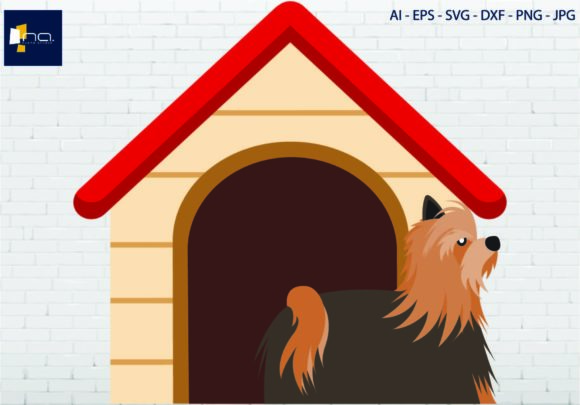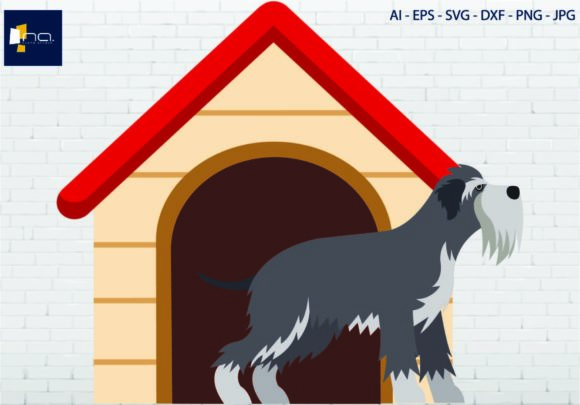
Dog Breed Schnauzer and House: A Design Worth Your Thread
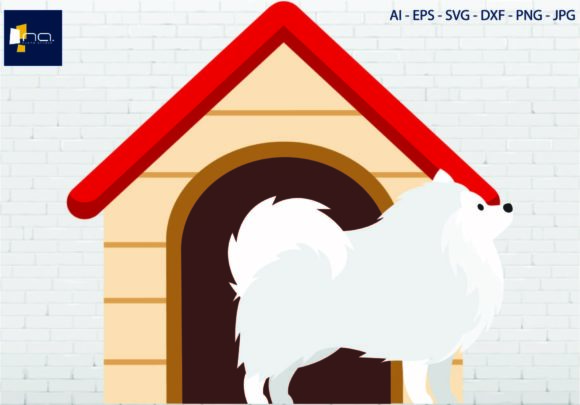
When I first opened the Dog Breed Schnauzer and House design, I was looking for something that felt both personal and polished. I work with a lot of custom embroidery orders, and schnauzer owners are a loyal, detail-oriented bunch. They want a piece that captures the personality of their dog without feeling generic. This illustration strikes that balance. It has a clean, storybook quality that translates well into thread.
The layout is thoughtful. The schnauzer sits confidently beside a small house, and the whole composition feels grounded. It is not overly busy. The lines are deliberate, the shapes are readable, and the mood is warm but not cutesy. That matters when you are stitching a design onto a sweatshirt embroidery or a tote bag design that someone will carry every day. The dog breed illustration has a natural silhouette that works for both machine embroidery design and applique design approaches. I could see this as a single-color satin stitch patch or a multi-color fill stitch project. The versatility is there from the first glance.
How This Design Performs on Real Products
I tested the Dog Breed Schnauzer and House on a few different projects to see how it held up. First, I ran a sample on a cotton sweatshirt using a medium-weight cutaway stabilizer. The fill stitch areas digitized cleanly. The house shape stayed crisp, and the schnauzer’s ear and snout details read clearly at a distance. On a custom apparel piece like that, you want the design to look intentional, not muddy. This one delivered.
Next, I tried it on a baby embroidery project. I used a soft onesie with a light fabric texture. The stitch density felt balanced. It did not pucker the fabric, and the running stitch outlines held their shape. For a personalized gift like a baby blanket or a pillow cover, this design has a gentle, reassuring feel. It is not aggressive or cartoonish. It sits quietly on the fabric and lets the subject matter speak for itself.
I also stitched it as an embroidered patch on twill fabric. The patch came out clean enough to sell as a standalone product. The embroidery file handled the dense areas of the house roof without overloading the fabric. If you are an Etsy seller or a small shop product maker, this is the kind of design asset that can be used across multiple formats. Whether you are creating holiday embroidery gifts or kitchen towel sets, the layout adapts well.
For commercial embroidery projects, this design works for both front and back placements. I could see it on a cap if the design is sized down carefully. On a curved surface like a hat, the house shape might need a slight adjustment to avoid distortion, but the schnauzer silhouette itself is forgiving. The same goes for apron fronts and tea towel corners. The design is easy to position and does not fight the fabric grain.
Where You Should Be Careful With This Design
No design is perfect for every situation, and I want to be honest about that. The Dog Breed Schnauzer and House has some detail around the house windows and the dog’s face that can get lost in a small hoop size. If you are stitching this at a final size under three inches, those tiny elements may blend together. I recommend testing it on a scrap piece first at your intended size. That is a standard rule for any graphics that include architectural or animal features, but it is especially true here.
On textured fabric like fleece or bouclé, the satin stitch outlines may need a bit more density to stay legible. The design itself is not overly dense, which is a good thing, but it does rely on clean edges. If you are using a stretchy fabric, like a performance knit or a lightweight jersey, be sure to stabilize it well. I used a tear-away stabilizer on a stable cotton and a cut-away on a stretchy blend. The cut-away gave me better results. The hoop size you choose will also affect how the design sits. A 5x7 hoop gives you plenty of breathing room. Anything smaller and you risk clipping the house corners.
For dark fabric, the thread colors you choose matter. The design has a light, airy feel in its default palette. If you stitch it on a black sweatshirt, consider editing the fill areas to a lighter or more contrasting thread. The embroidery file formats provided include AI File, EPS File, SVG File, DXF File, JPG File, and PNG File. That gives you the flexibility to adjust colors before you digitize or edit the design assets in your preferred software. The Canvas Size of 1920 px by 1280 px is generous for preview work and mockups.
If you are creating handmade product runs for a craft business, you should also check the stitch density yourself before committing to a bulk order. I did not receive exact stitch counts, but the visual density looks moderate. That is good for most machine embroidery design projects, but each machine handles density differently. Run a test stitch and adjust your tension if needed. The design is advertised as easy to use and edit, and I found that to be true. The SVG File and DXF File options are especially helpful if you want to separate the house and dog into different layers for applique work.
Visual Appeal and Business Value
From a buyer perspective, this design has strong recognition power. Schnauzer owners see their dog in that silhouette. The house adds a layer of meaning. It suggests home, loyalty, and comfort. That combination is gold for personalized gifts and boutique branding. If you are a creative entrepreneur or a handmade shop owner, you can use this design to build a product line. Think holiday embroidery ornaments, baby embroidery onesies, embroidered patch sets, and custom apparel pieces. The design works as a standalone focal point or as part of a larger layout.
I also tested it in printable mockup form. The JPG File and PNG File are clean enough to use for digital product previews. If you are an Etsy seller listing a digital embroidery file or a finished handmade product, the mockup quality matters. This design reads well on screen and in print. It has a professional, approachable feel that builds customer trust. When a buyer sees a clear, attractive mockup, they are more likely to click and purchase. That is the kind of buyer engagement that keeps a shop growing.
For small shop merchandise, this design can be used across multiple product categories. I have seen similar dog breed illustration formats sell well on sweatshirt embroidery, tote bag design, apron fronts, and pillow cover sets. The key is consistency. If you use the same design on a tea towel and a baby blanket, your shop starts to look like a cohesive brand. That is harder to achieve with random clip art. This design gives you a solid foundation.
Practical Designer Notes Before You Stitch
I always tell new embroidery designers and small business owners the same thing: test before you trust. The Dog Breed Schnauzer and House design is easy to work with, but here are a few steps I recommend before you put it on a final product.
- Test on scrap fabric first. Use the same fabric type as your final product. Check how the fill stitch and satin stitch interact with the weave.
- Check thread color contrast. Hold your thread colors next to the fabric. If the contrast is low, the house details will disappear. Adjust your palette in the AI File or EPS File before digitizing.
- Review stitch density. If you are using a machine embroidery design software, open the file and look at the density map. Dense areas need extra stabilization. Open areas are more forgiving.
- Confirm hoop size. The design is sized for a 1920 px by 1280 px canvas. That is roughly 6.4 inches by 4.3 inches at 300 dpi. Make sure your hoop can accommodate that without clipping the edges.
- Inspect small details. The schnauzer’s ears and the house windows are the most delicate parts. If you are shrinking the design, these may need simplification. Test at your target size.
- Test in black and white mockups. A grayscale preview helps you see the value contrast. If the design looks flat in black and white, it will look flat in thread. Adjust your fill and outline weights.
- Compare light and dark fabric backgrounds. The design reads differently on white versus navy. Stitch a sample on both and see which one sells better in your shop.
- Use proper stabilizer. For medium-weight fabrics, a cut-away stabilizer is my go-to. For lightweight fabrics like baby onesies, a tear-away with a fusible backing works well.
- Check licensing. Before you use this design for commercial embroidery or sell digital product files, confirm the license terms. The product is listed under Illustrations and Graphics, so verify whether you can sell finished items or distribute the embroidery file as part of a bundle.
These steps take thirty minutes but save you hours of frustration. I have ruined enough fabric to know that a quick test is never wasted time.
Final Thoughts on This Design
The Dog Breed Schnauzer and House is a strong addition to any embroidery project library. It is not a flashy, trend-driven design. It is a solid, workable illustration that serves a specific audience. For Etsy sellers, craft fair vendors, and apparel decorators, that is exactly what you need. You want designs that your customers recognize and love, and that you can stitch without constant adjustments.
I have used it on a sweatshirt embroidery order for a repeat client, and she loved it. She mentioned it looked like her childhood home. That kind of emotional connection is why I do this work. The design is available in six formats, so whether you are a Mac user or a PC user, you can edit and stitch it without compatibility issues. The JPG File and PNG File are crisp enough for mockups, and the vector formats give you full control over scaling and editing.
If you are a designer or a maker looking for a reliable dog breed illustration that feels personal and professional, this one is worth your time. Stitch it once, test it on a few fabrics, and see how it fits your product line. I think you will find it earns a regular spot in your rotation.